Home

Turn your device sideways for a larger slide.

Need Games · Tabletop JRPG

Fabula Ultima

Heroic fantasy roleplaying in a world you make together.
A short tour of the game before your first session.

The game

What is Fabula Ultima?

A tabletop RPG that wants to feel like a great JRPG: airships, crystal cities, villains with themes, and a party that would die for each other. There is no default continent. Press Start, then invent one.

Tone

A JRPG at the table

Heroes are people

You start as everyday souls who become legends. The humble village, then the empire, then the sky.
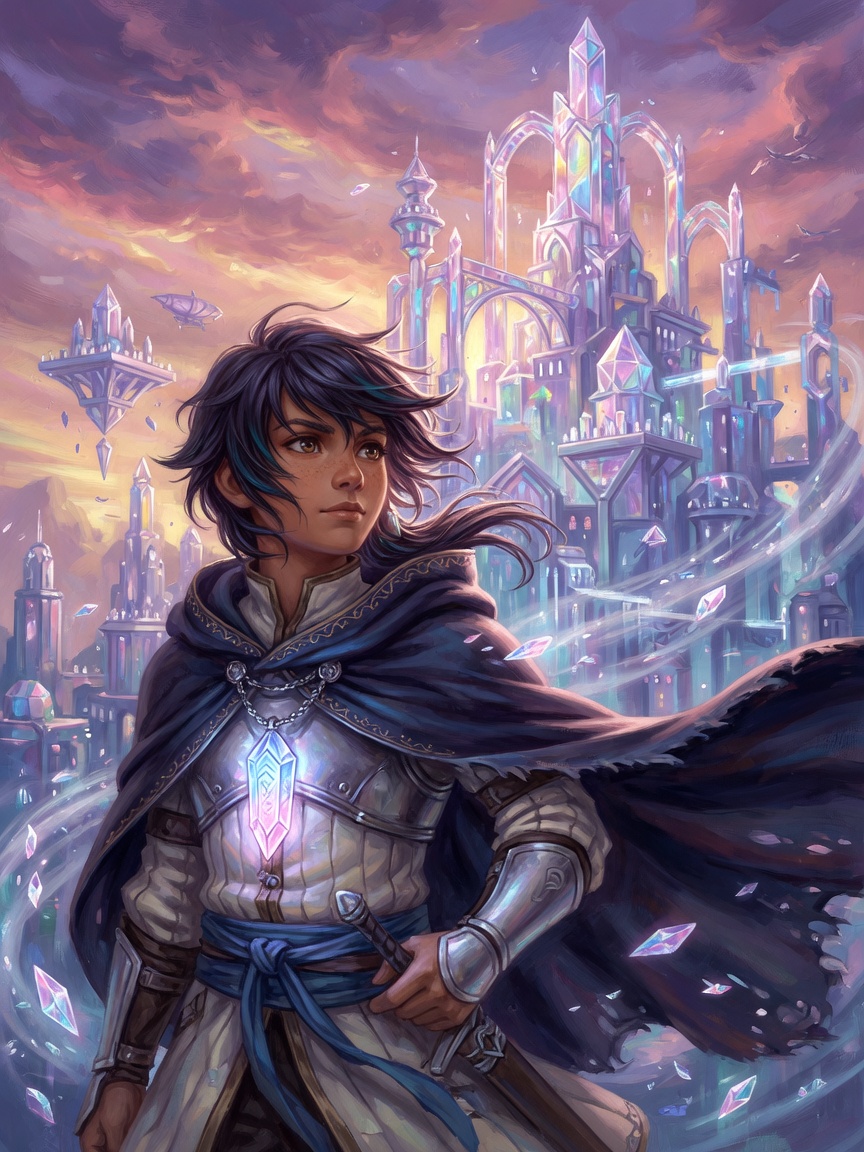
A young hero before a crystal city

Bonds are the plot

Who you love, hate, or owe is a mechanic. The campaign is those threads under pressure.
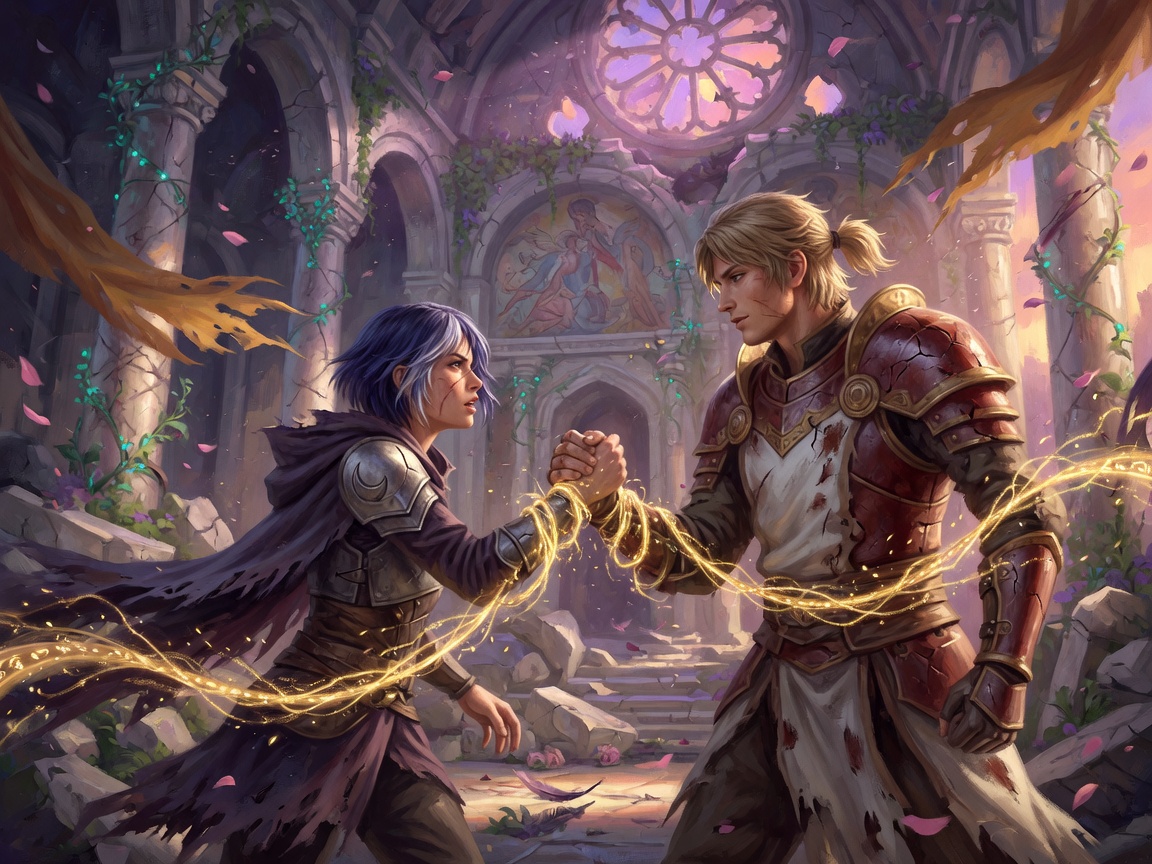
Two heroes clasping arms bound by gold light

Villains have names

They are people — or close enough. Motives, themes, a last stand. You do not grind them. You confront them.
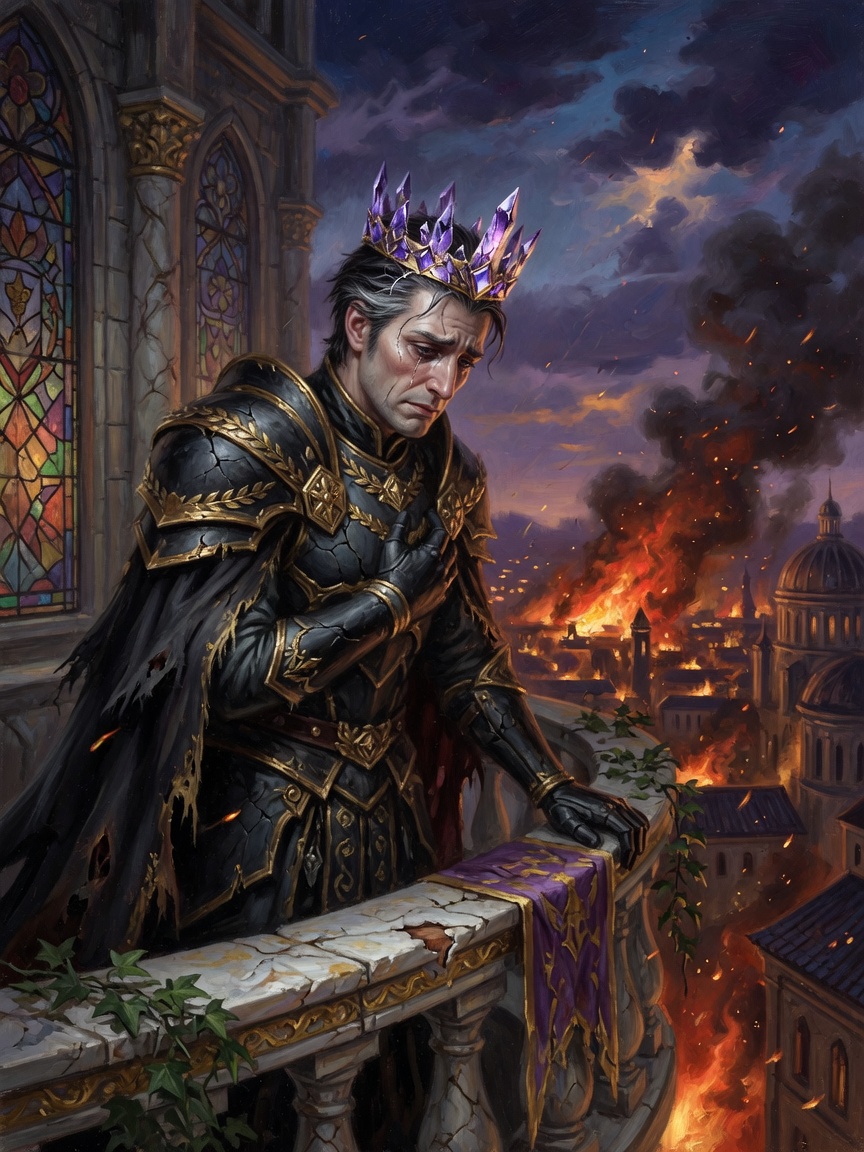
A tragic monarch above a burning city

You do not need to have finished Final Fantasy. You need a willingness to be theatrical and sincere.

The contract

The Eight Pillars

Every Fabula Ultima world is different. All of them keep eight promises. If a pitch fights a pillar, change the pitch.

Eight promises

What every world shares

Ancient ruins and harsh lands — the map is old, dangerous, and worth crossing.

A world in peril — something is ending. The party is how it might not.

Clashing communities — nations, clans, guilds. Conflict has a culture, not just a boss.

Everything has a soul — spirits, machines, the land. Speak with it. It may answer.

Magic and technology — both exist, both change lives, both have a cost.

Heroes of many shapes and sizes — everyday people become extraordinary. That is the arc.

It’s all about the heroes — the camera follows the party. The world turns because they act.

Mystery, discovery and growth — ruins hide answers. Characters change. The journey is the point.

These are not optional flavor. They are how the GM and the table agree what kind of story this is.

Pick a palette

Three flavors of fantasy

Natural Fantasy

The green

Spirit woods, stone circles, villages that bargain with the land. Magic is weather and kinship.
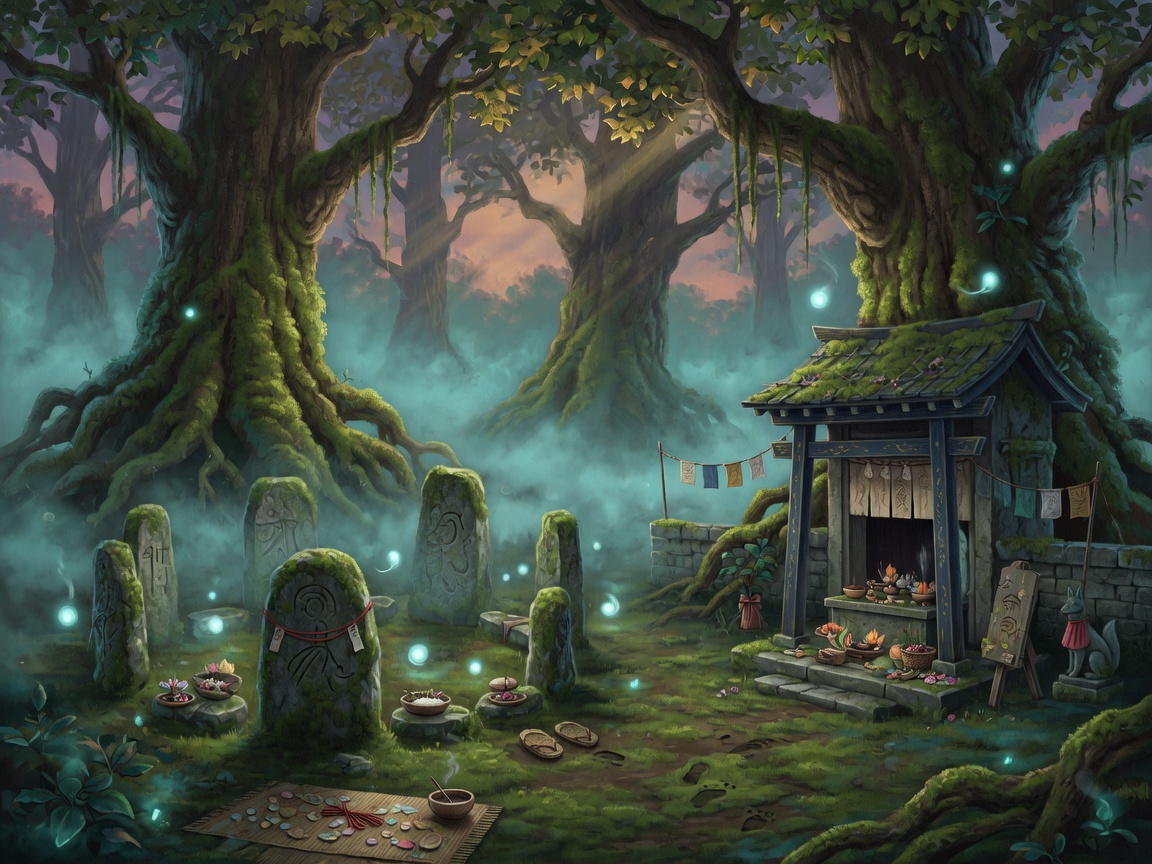
A spirit-wood shrine and stone circle in mist
High Fantasy

The crystal

Kingdoms, chosen blades, cathedrals of light. Empires, prophecies, a tower you can see from anywhere.
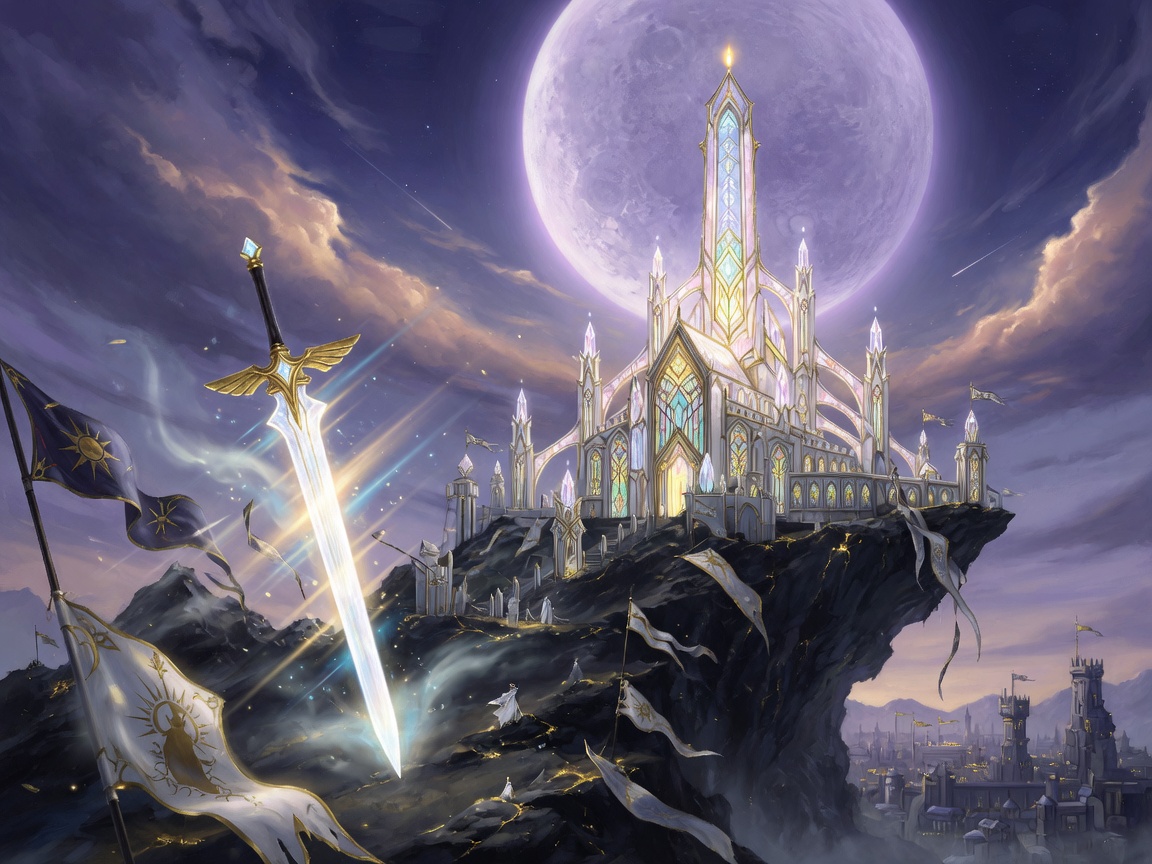
A crystal cathedral-kingdom and a blade of light
Techno Fantasy

The brass

Airships, magitek, cities of glass and gear. A republic, a foundry, a sky that has a navy.
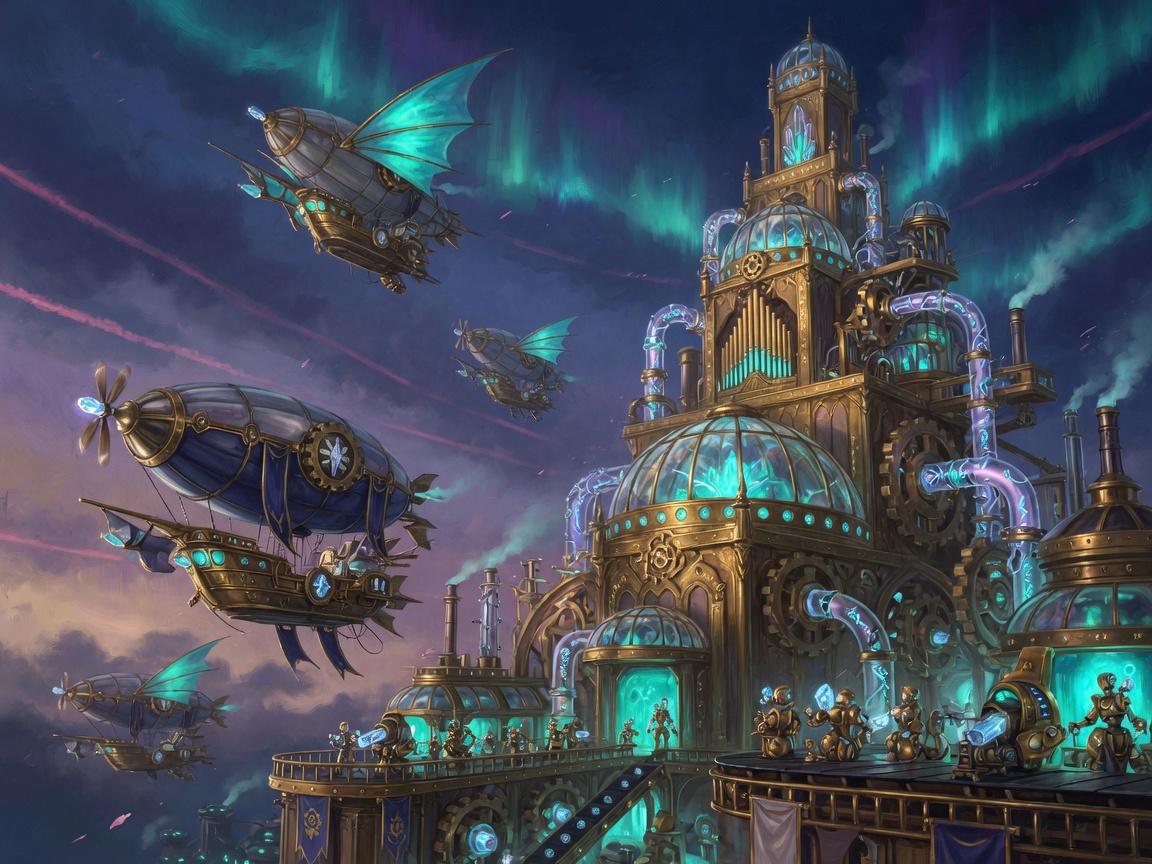
A brass magitek citadel with airships

Most tables mix two. The Atlases add more palettes. Agree the mix in world creation, then keep it.

Session zero is the map

You make the world

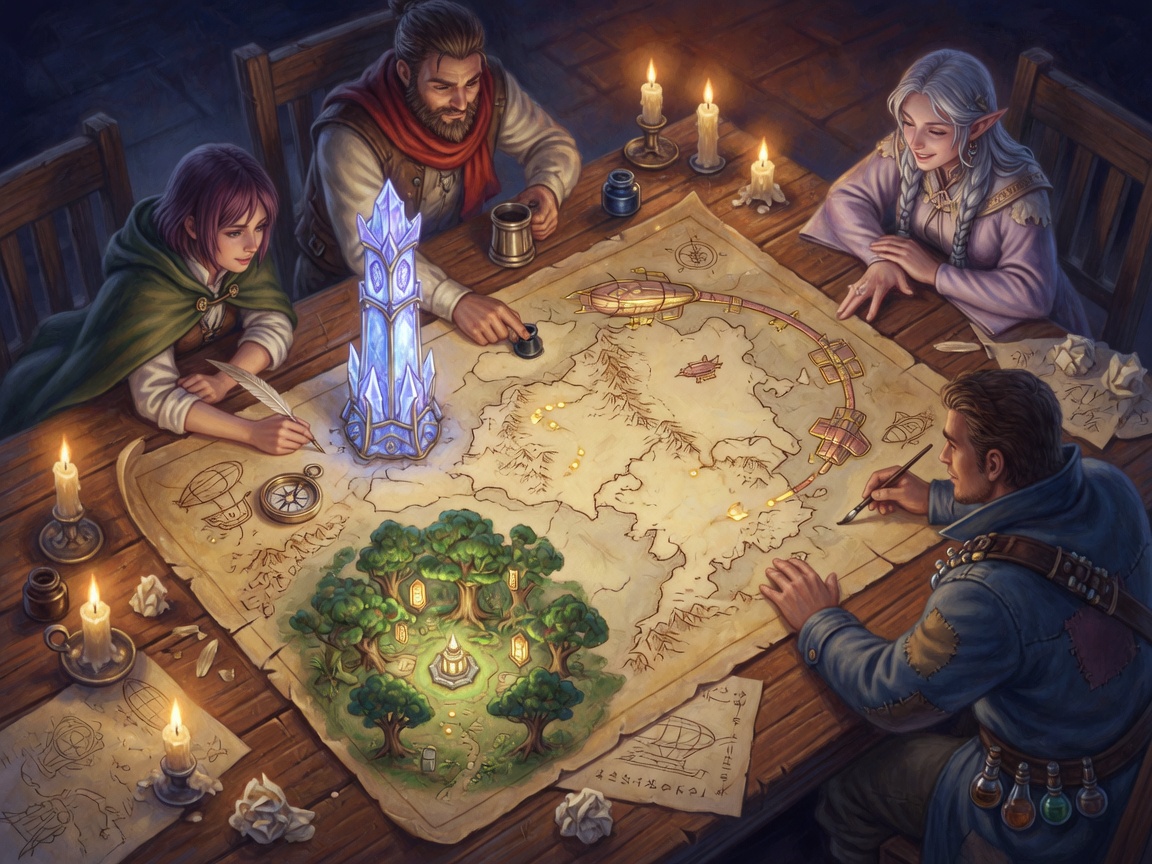
There is no canonical Golarion here. Before characters, the table sketches kingdoms, a threat, and the look of magic. The GM does not arrive with a locked gazetteer.

Name a place you want to defend. Name a place you want to visit. Name the thing that will ruin both if nobody stops it. That is enough geography to start.
Bring

  • One kingdom or town you care about
  • One aesthetic: crystals, gears, or groves
  • One villain-shaped problem, not a stat block
  • Permission to let other people add to it
Four travelers sketching a world together on a map
Session zero

Press Start

World, then group, then characters. In that order. The GM does not arrive with a locked plot.

1

World

Pick flavors. Name a place to defend, a place to visit, and the thing that will ruin both.
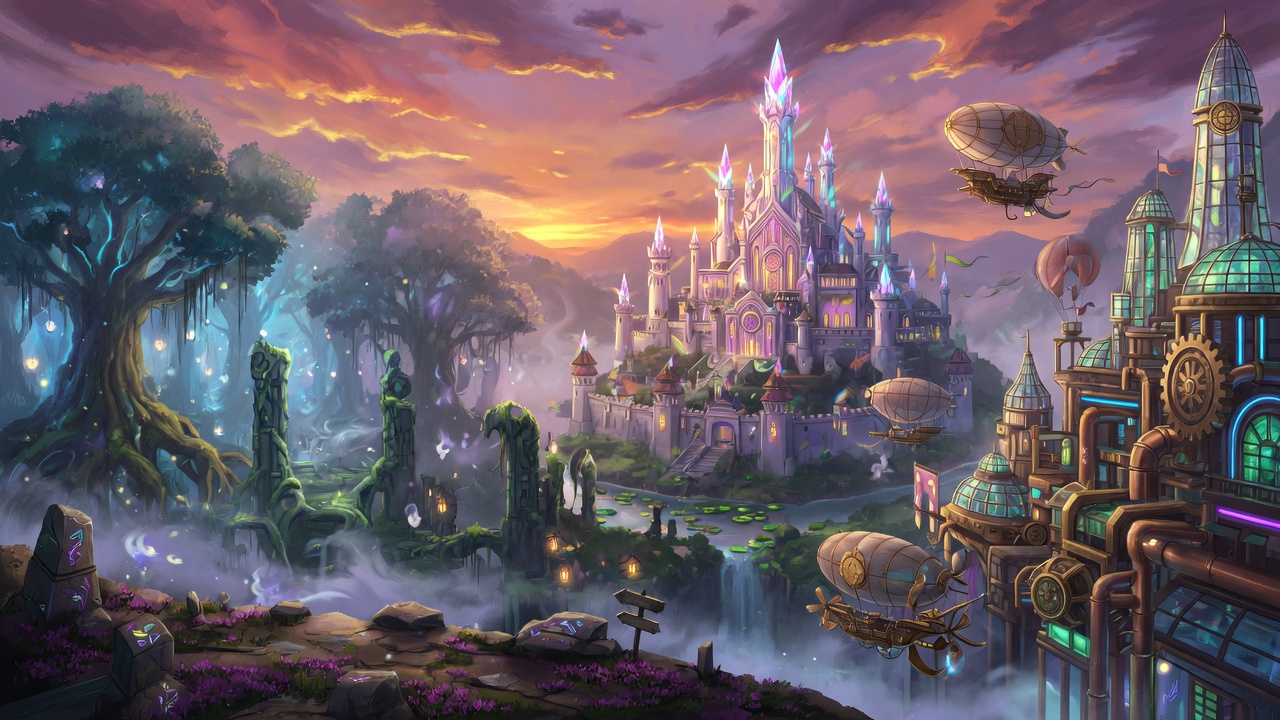
A mixed world of woods, crystal, and brass
2

Group

How you know each other. One shared Bond. Why you would board the same airship.
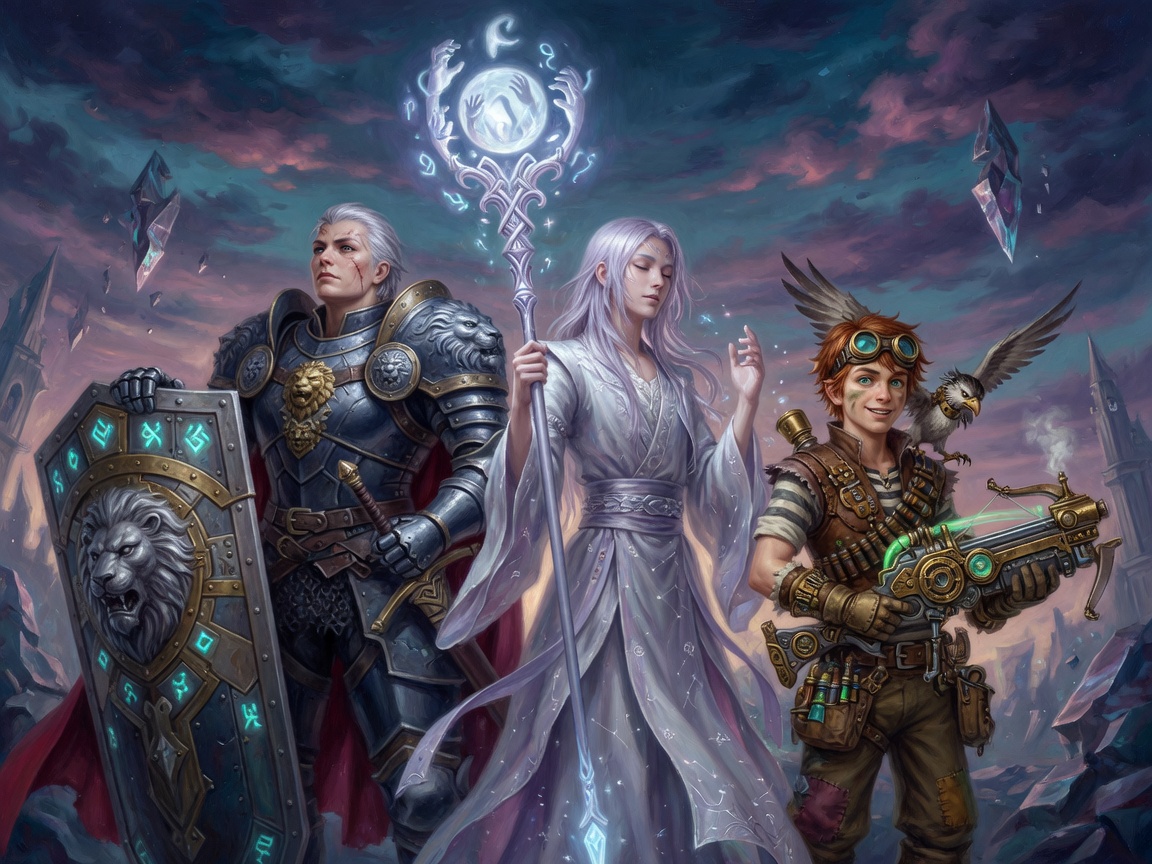
A starting party standing together
3

Heroes

Identity, Theme, Origin. Two or three classes. Dice that total 32. A Bond already on the sheet.
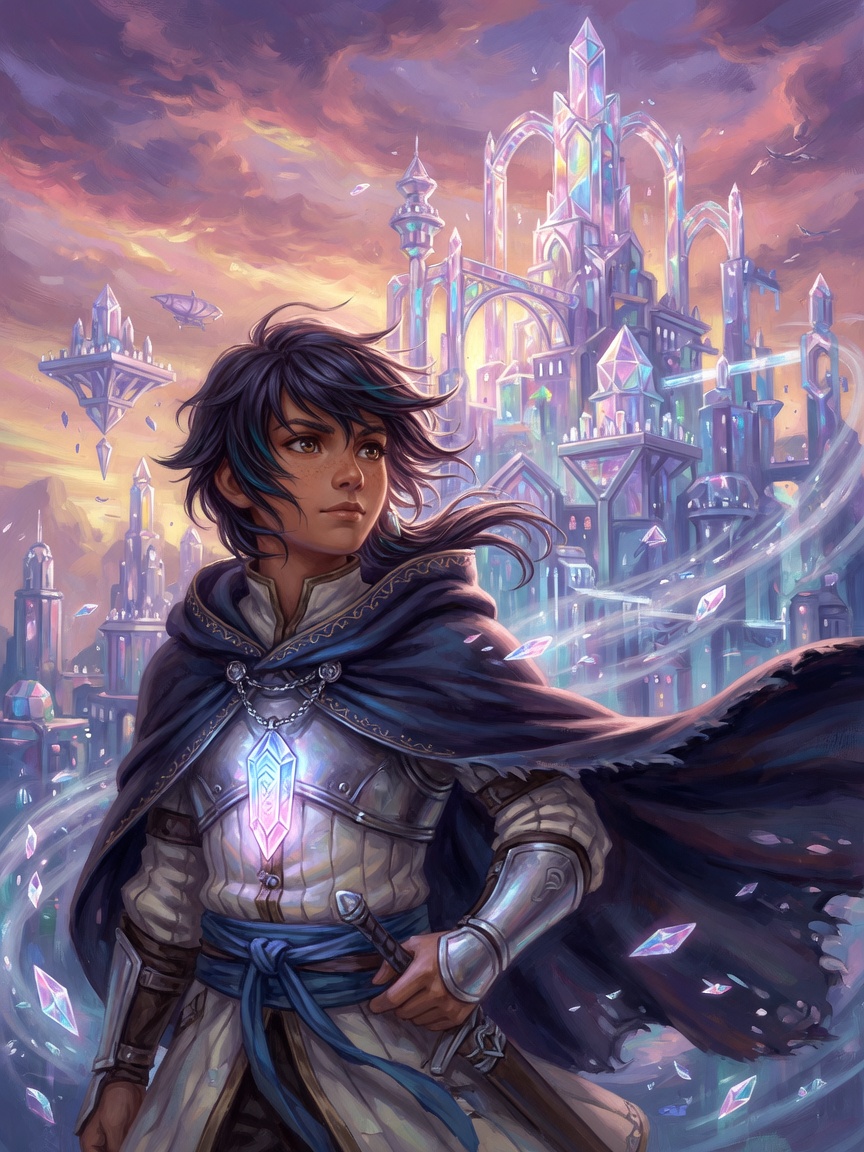
A young hero with a crystal pendant
Who you play

Identity, Theme, Origin

Identity

Who they are in one line: “exiled sky-knight,” “mill-town medium,” “the last court scientist.” It is a trait you can invoke.

A young hero with a crystal pendant

Theme

The story they keep starring in: belonging, vengeance, wonder, duty. When it is tested, Fabula Points get involved.
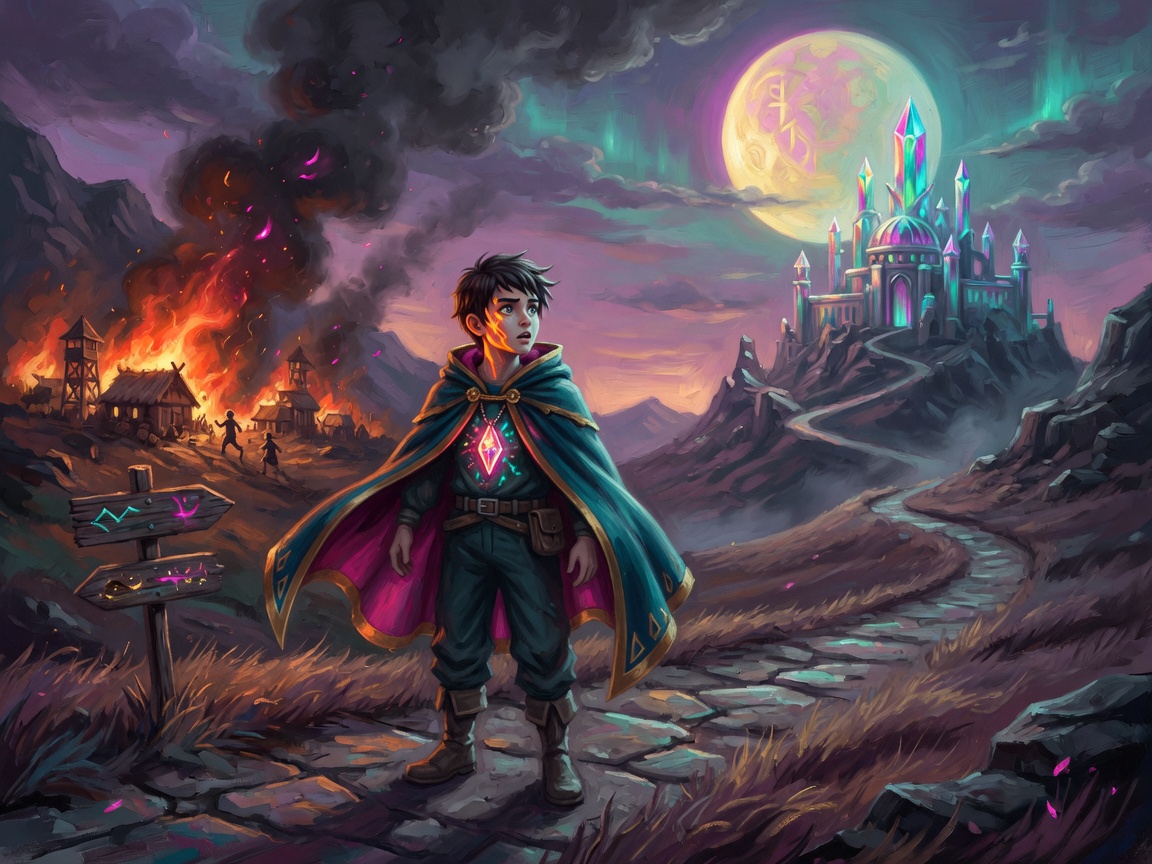
A hero at a fork between a burning hometown and a crystal citadel

Origin

Where they came from in the world you just made. A village, a foundry, a floating school. It ties them to the map.
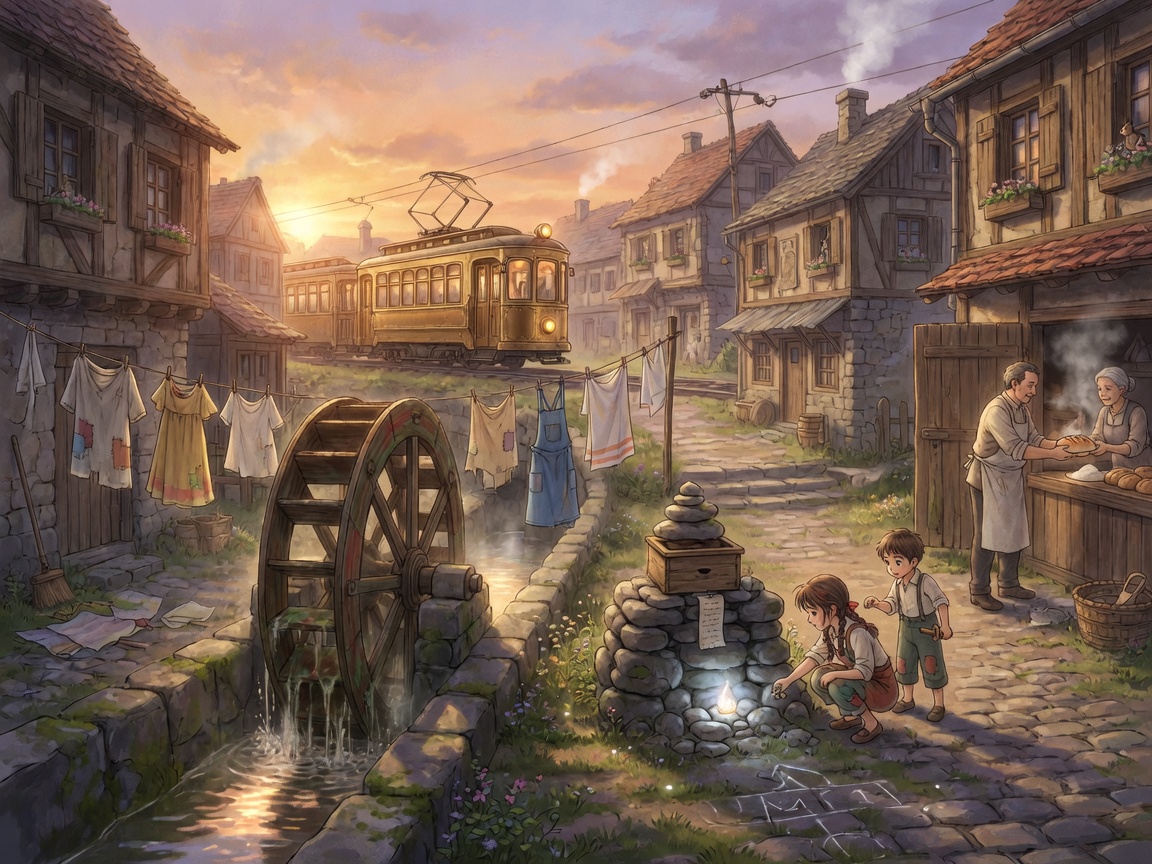
A mill-town at dusk with a waterwheel and a small shrine

After a Check, spend 1 Fabula Point to invoke a trait that applies and reroll one or both dice. Or invoke it to fail on purpose and gain a point.

The four dice

Attributes

Each attribute is a die, not a bonus. Start at d6, d8, or d10. The four sizes must total 32. They never go below d6 or above d12.

DEX

Dexterity

Speed, stealth, many weapons. Feeds Defense and Initiative.
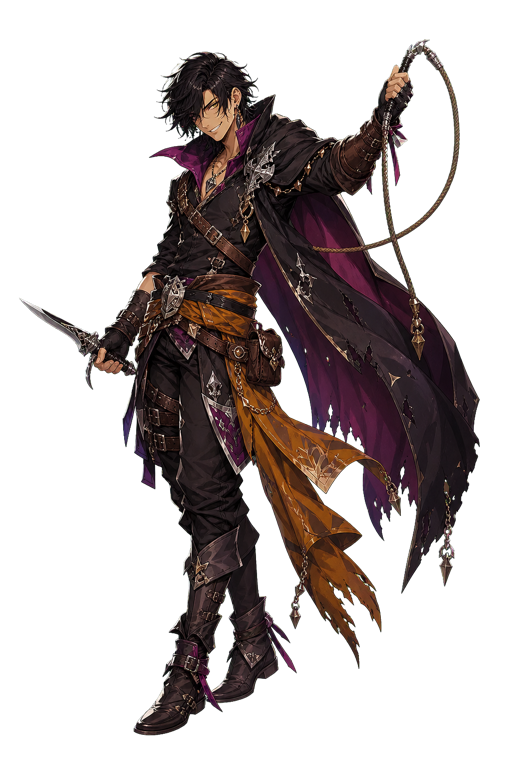
Rogue
INS

Insight

Notice, study, many spells. Feeds Magic Defense.
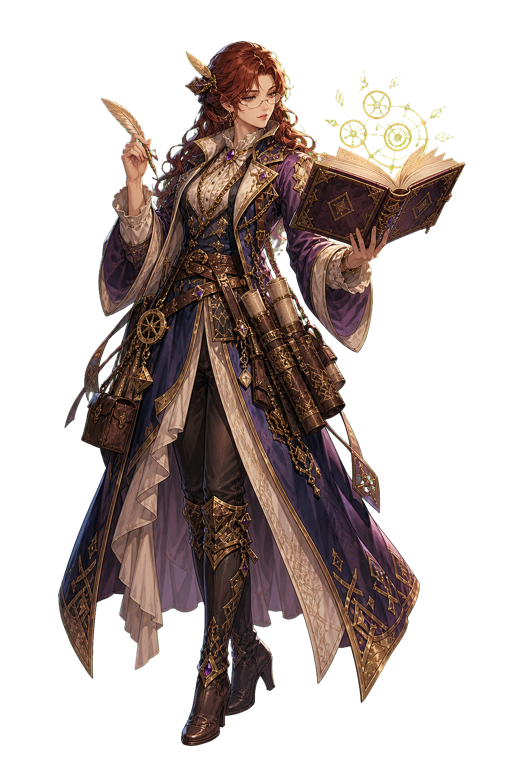
Loremaster
MIG

Might

Force, melee, shoving. Feeds Hit Points.
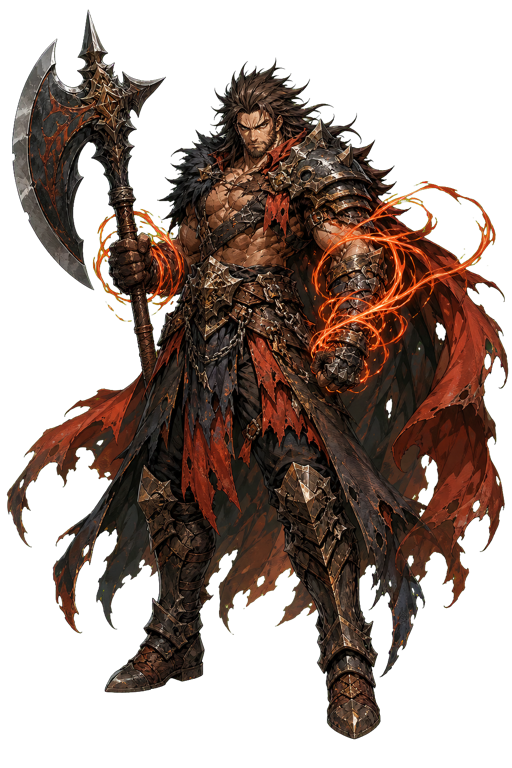
Fury
WLP

Willpower

Spirit, resolve, many spells. Feeds Magic Points.
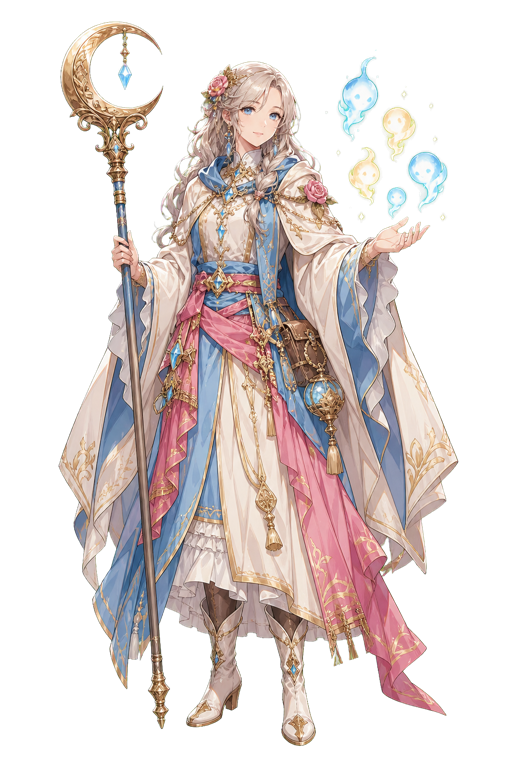
Spiritist

A typical start is d8 / d8 / d8 / d8, or d10 / d8 / d8 / d6 if someone is clearly the strong one.

The story engine

Bonds

“I will not let this be the last time I see you.”A Bond, spoken in play

A Bond is a named relationship, strength 1–3, with a feeling: admiration, loyalty, affection, inferiority, mistrust, or hatred. You may hold up to six.

At the table

  • After a Check, spend 1 FP to add that Bond’s strength.
  • The Bonding Opportunity can create one, or add a feeling.
  • Villains can be bonded too. That is the point.
Two heroes bound by a thread of gold
The other side of the party

Villains

Named, themed, and built to recur. They spend Ultima Points — the dark mirror of Fabula Points. When they enter, every hero gains 1 FP.

Minor 5 · Major 10 · Supreme 15

The bigger the name, the bigger the pool. They do not go down like a random soldier.
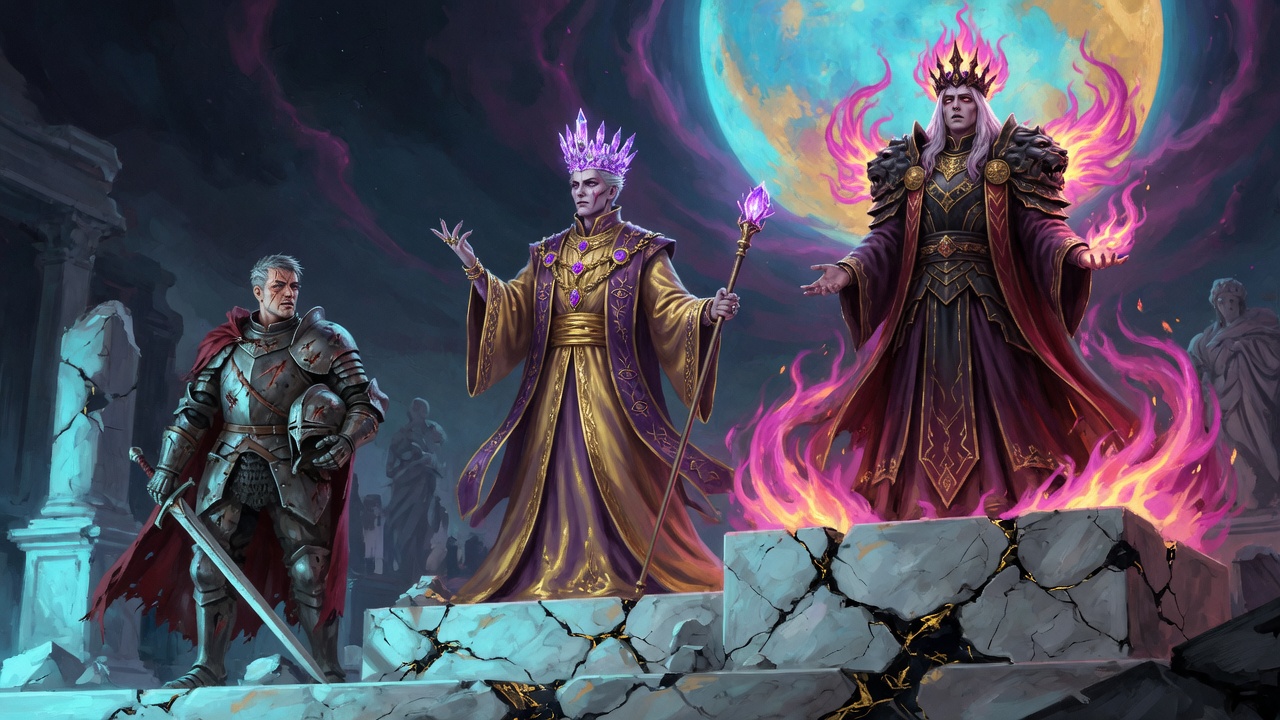
Three villains of rising grandeur

Spend 1 UP

Escape the scene. Invoke a trait to reroll or add +2. Or turn a hit into a critical surge.
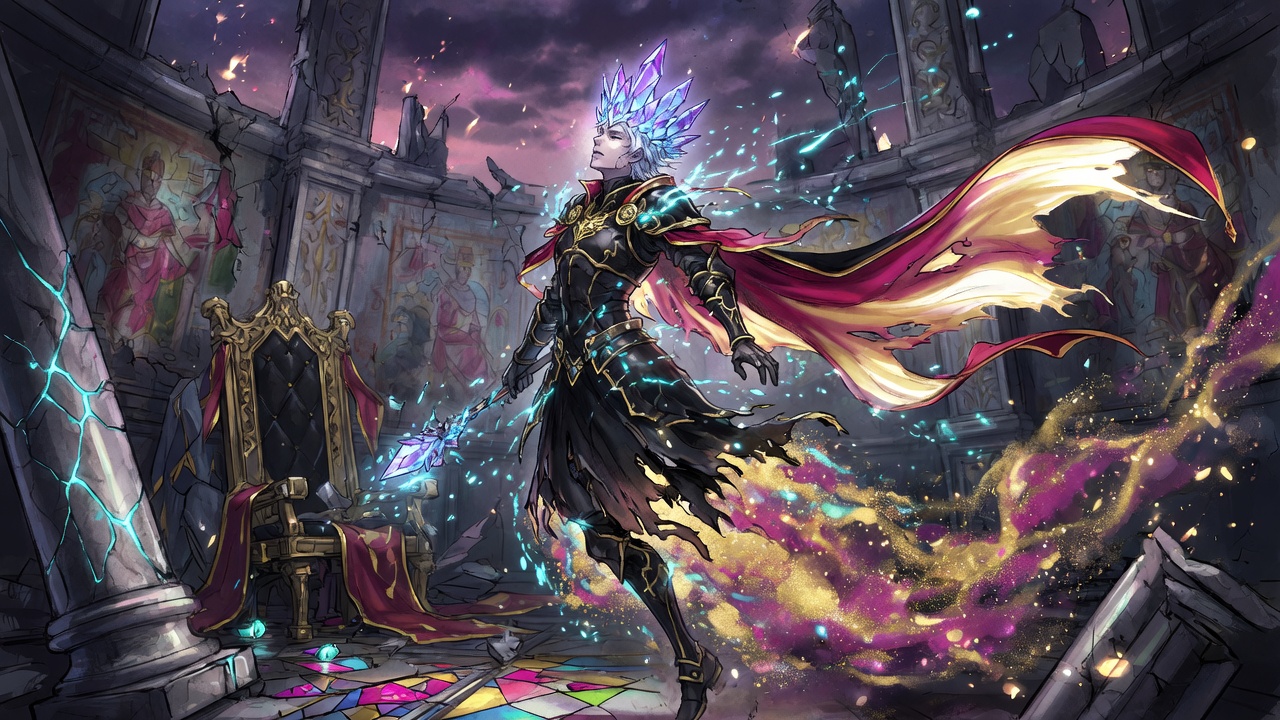
A villain dissolving into light as they escape

They come back

Defeat or escape is a chapter. Next time they should have a new scar, a new power, a worse clock.
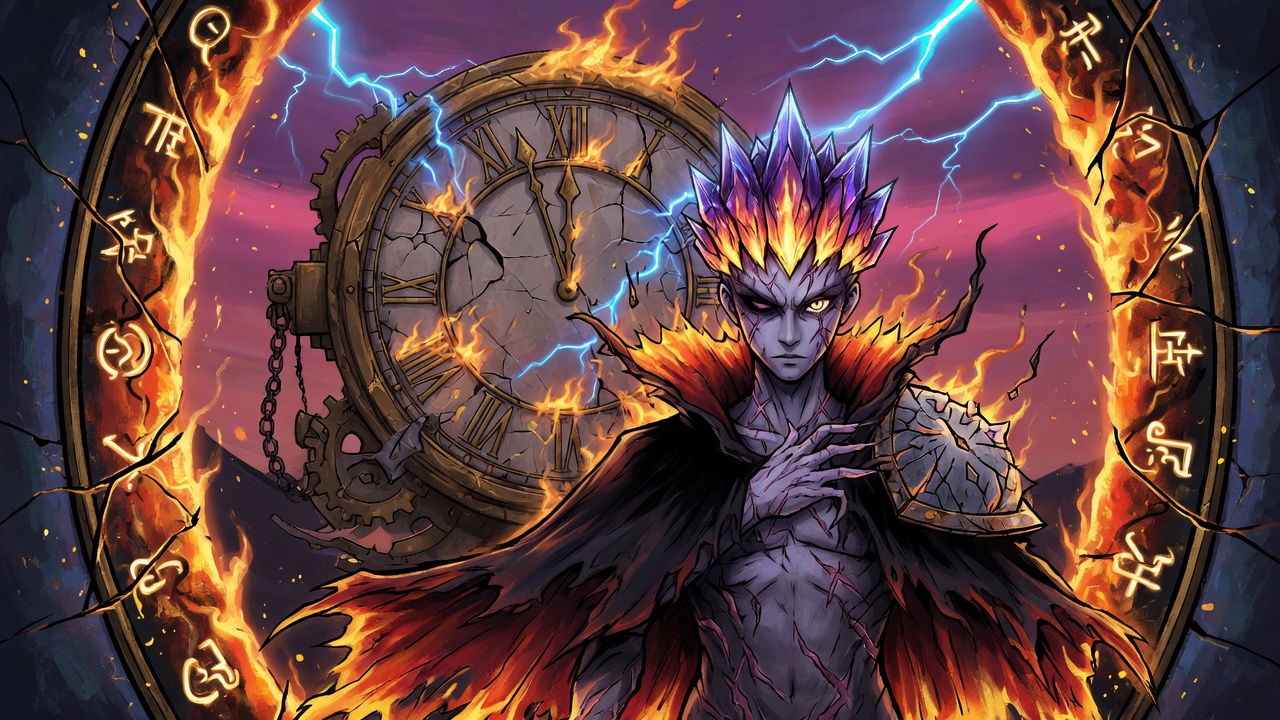
A scarred villain returning through a burning clock
The currency of drama

Fabula Points

You start with three. You earn more when things go wrong. You spend them to be the kind of hero the cutscene promised.

1

Invoke

After a Check, spend 1 FP to invoke Identity, Theme, or Origin and reroll one or both dice — or invoke a Bond and add its strength.
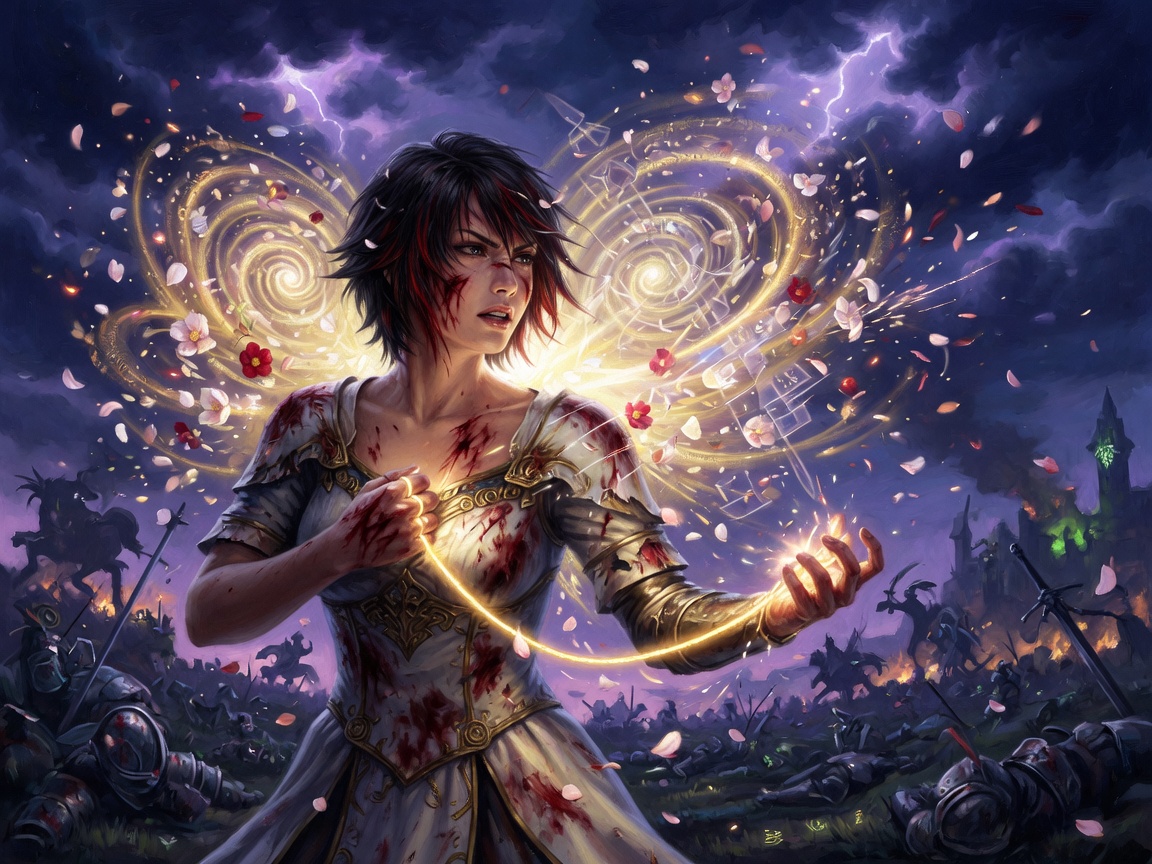
A wounded hero invoking a glowing Bond
2

Alter the story

Spend 1 FP to declare a helpful detail. If you change something someone else introduced, you need their permission.
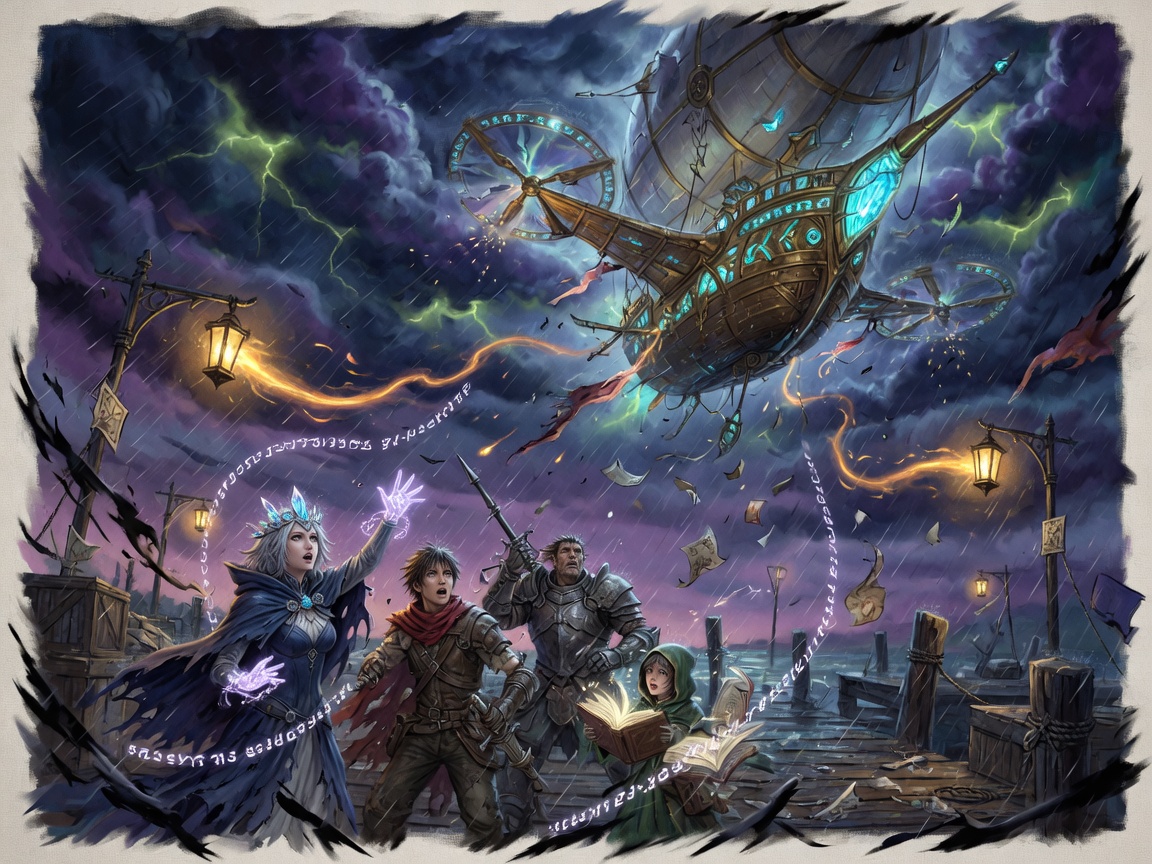
An airship dropping into a storm over a dock
3

Earn them

Gain 1 if you start a session empty, fumble, see a Villain enter, or fail on purpose. Gain 2 if you Surrender at 0 HP. You begin play with 3.
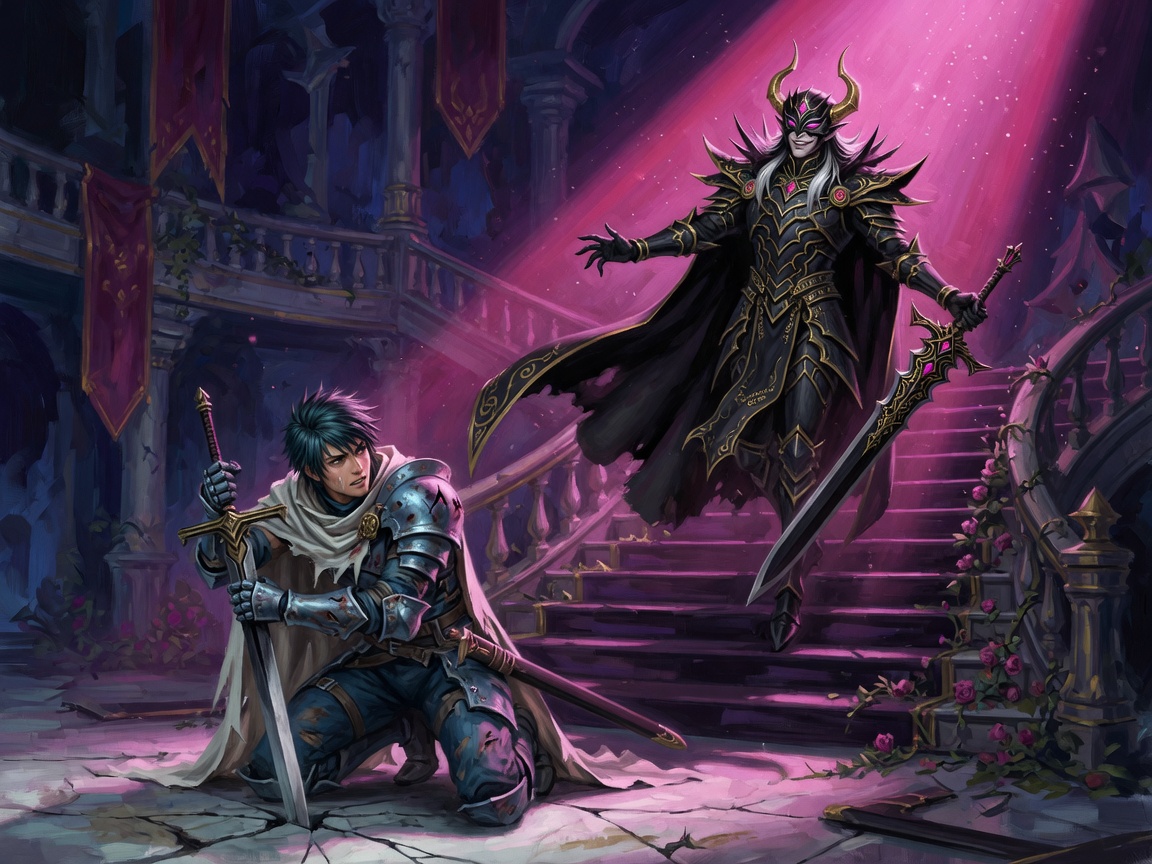
A kneeling hero as a villain makes an entrance
How a hero is built

Classes, mixed

Fifteen core classes. Split five starting levels across two or three. A Weaponmaster/Orator is not a Weaponmaster/Darkblade.
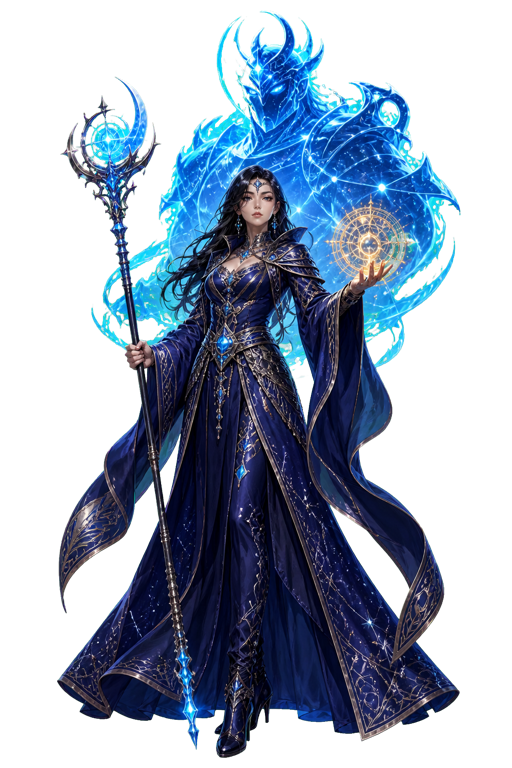
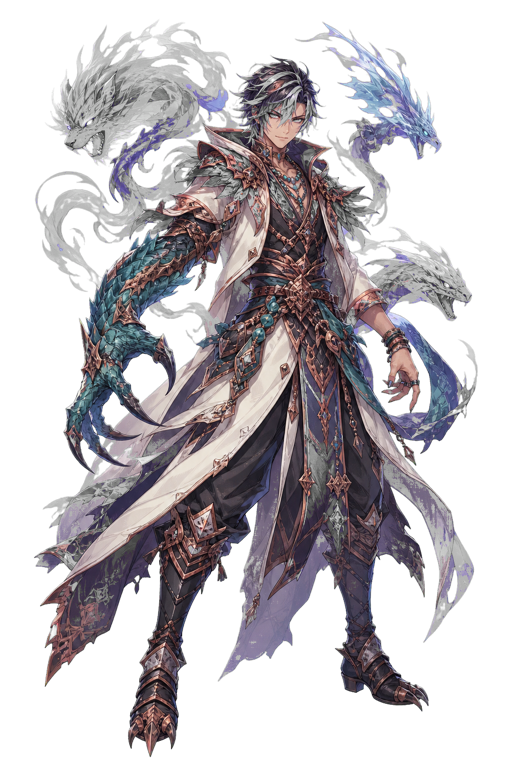
Arcanist
Chimerist
Darkblade
Elementalist
Entropist
Fury
Guardian
Loremaster
Orator
Rogue
Sharpshooter
Spiritist
Tinkerer
Wayfarer
Weaponmaster

Skills, not prestige. Two people can share a class and still play unlike each other.

The Atlases

More classes, more palettes

High, Techno, and Natural Fantasy books add classes. Same mix-and-match rules. Pick the fantasy, then the mix.
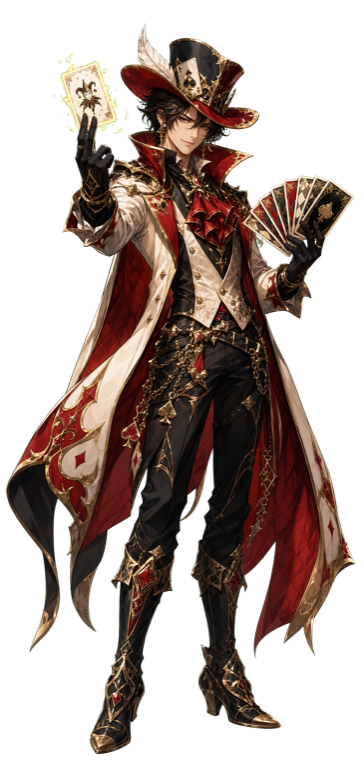
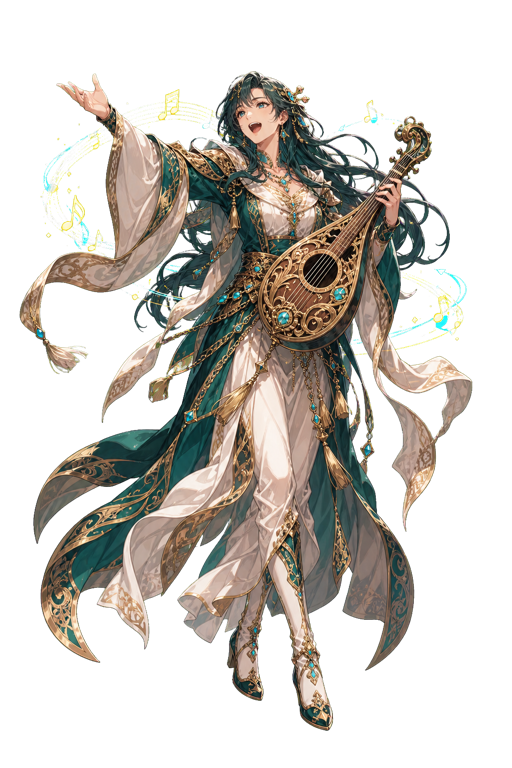
Ace of Cards
Chanter
Commander
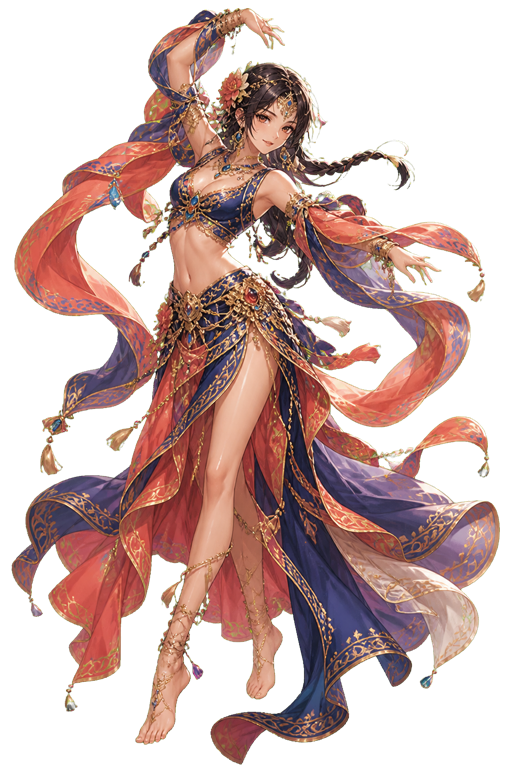
Dancer
Esper
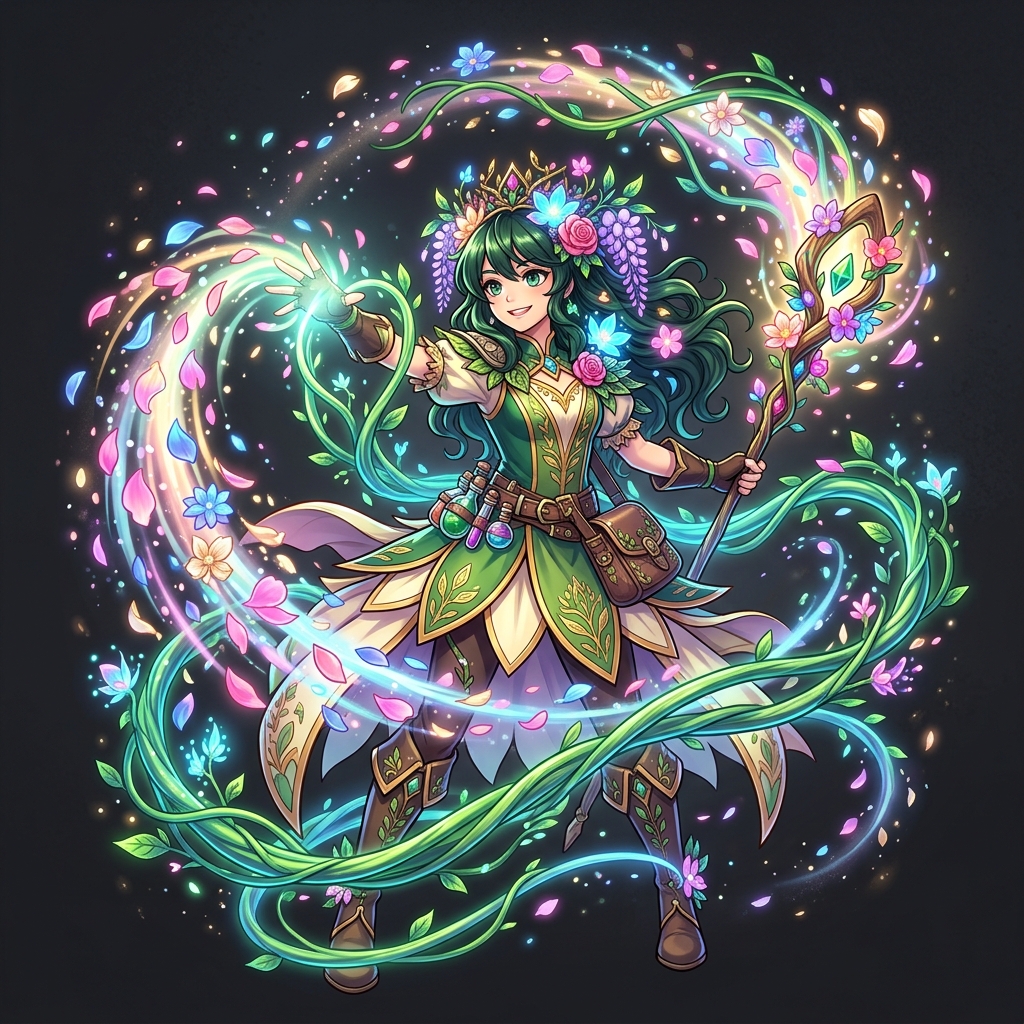
Floralist
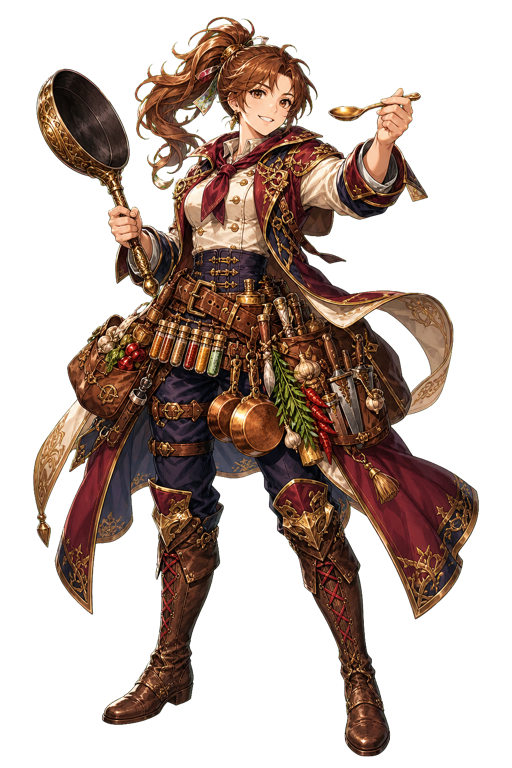
Gourmet
Invoker
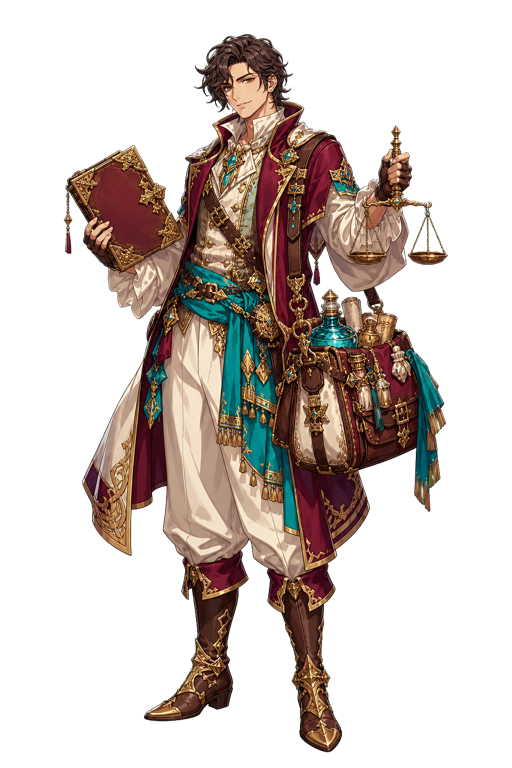
Merchant
Mutant
Necromancer
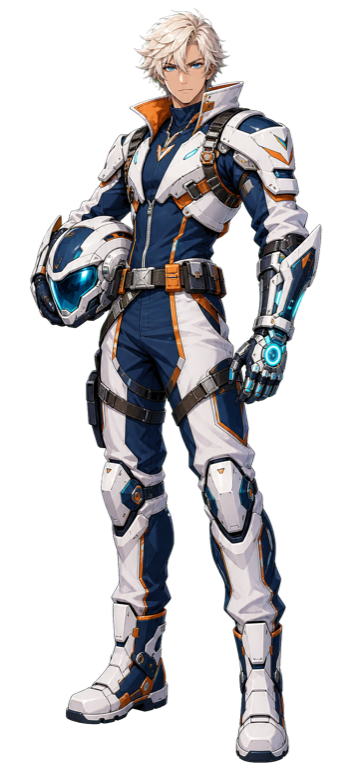
Pilot
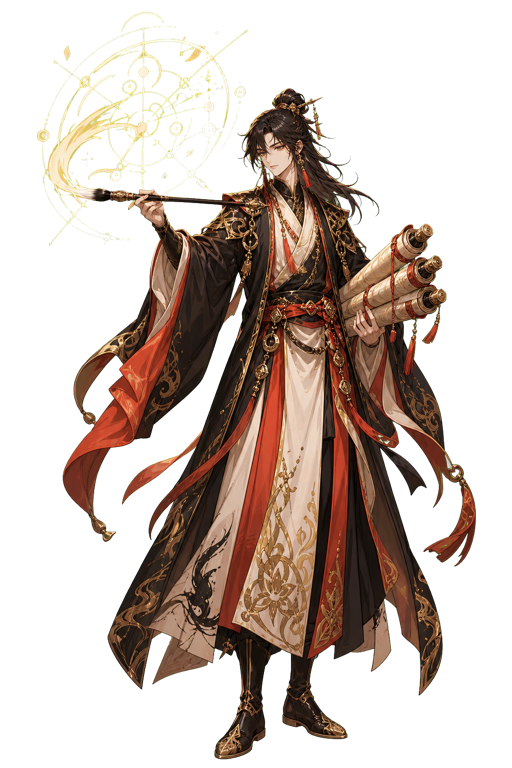
Symbolist

Pilot is Techno. Floralist and Gourmet are Natural. The rest are High Fantasy Atlas and companions. Same mix-and-match as the core fifteen.

A party, not a class

Your first table

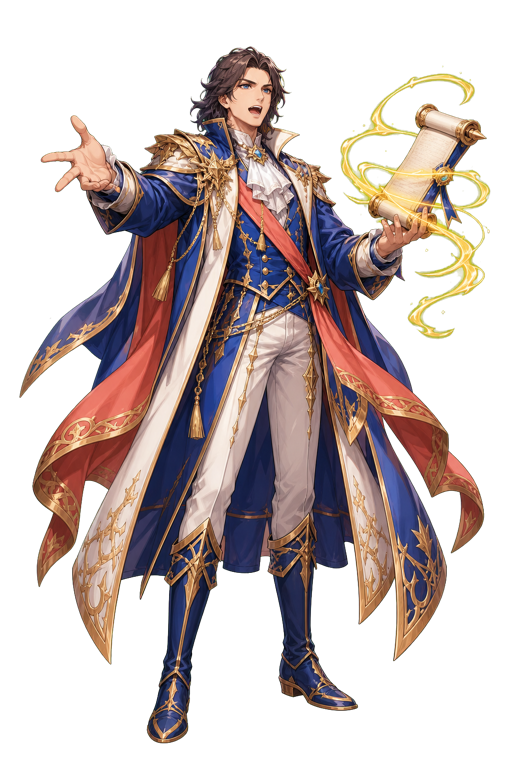
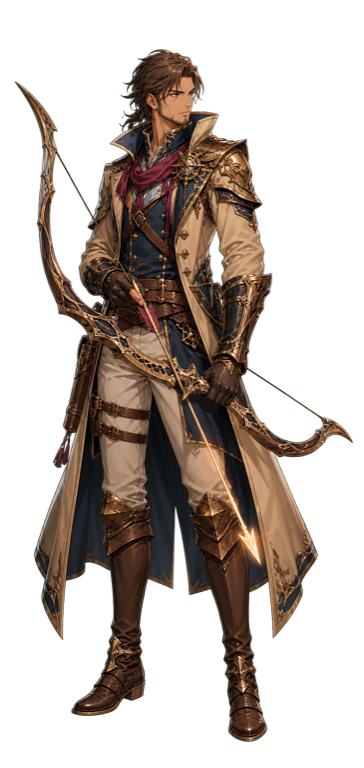
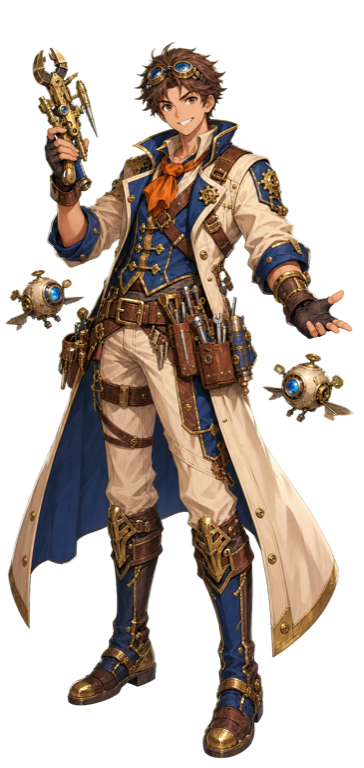
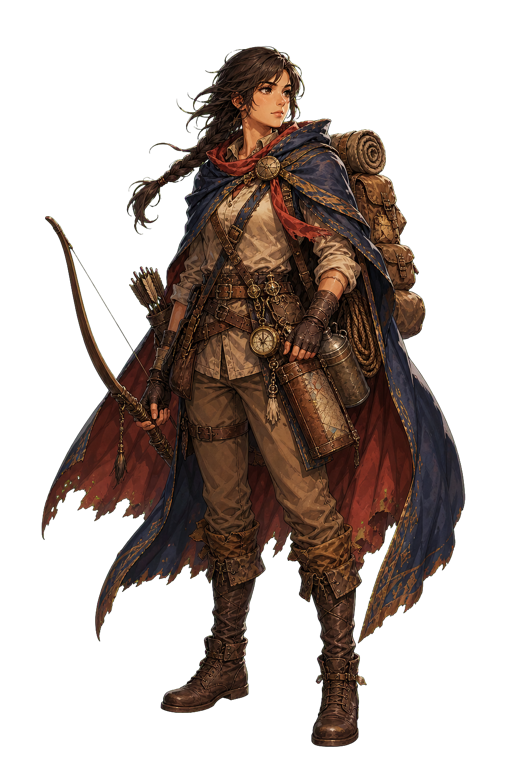
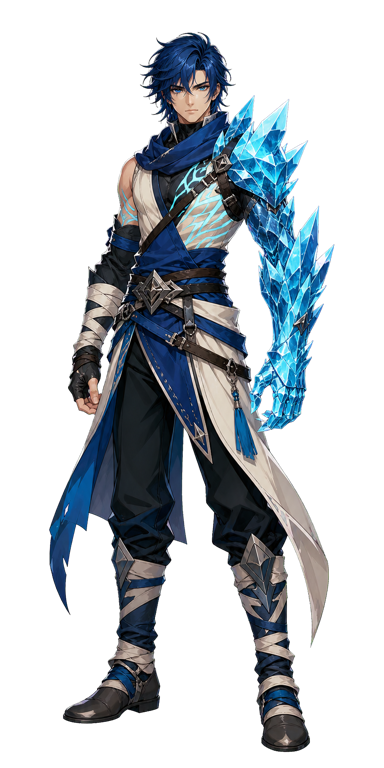
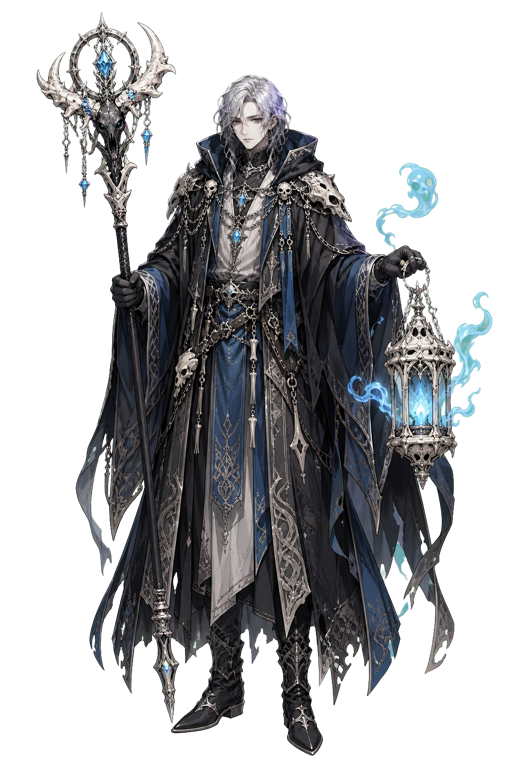
Four people who would die for each other. Mix roles on purpose — a wall, a blade, a scholar, a spark.
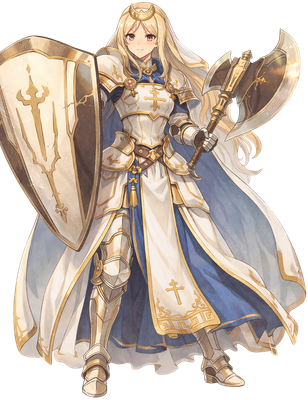
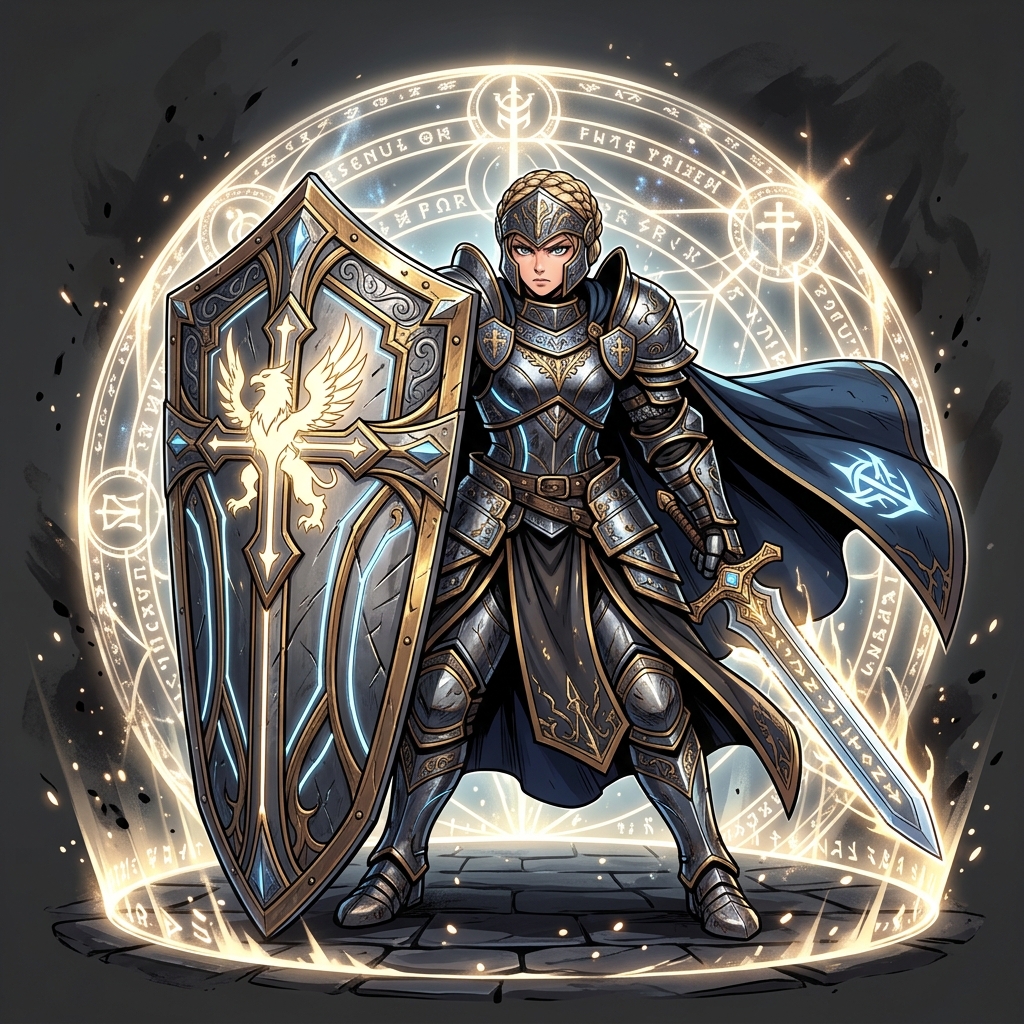
Shield Guardian

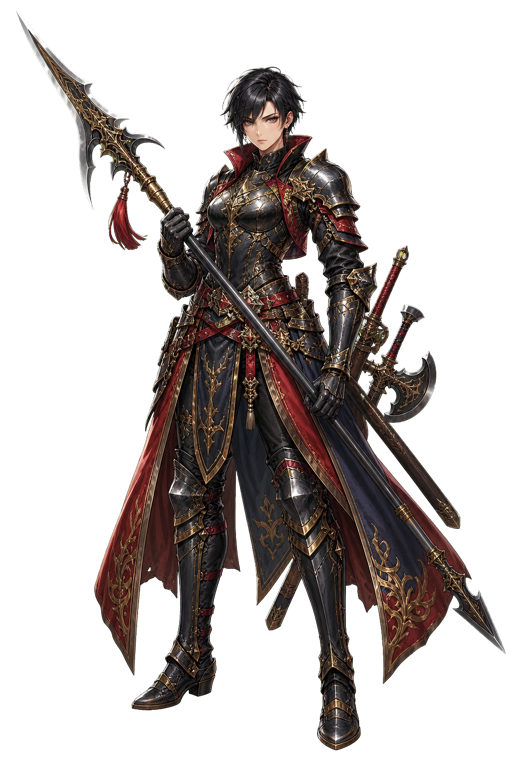
The wall

Guardian · holds the line

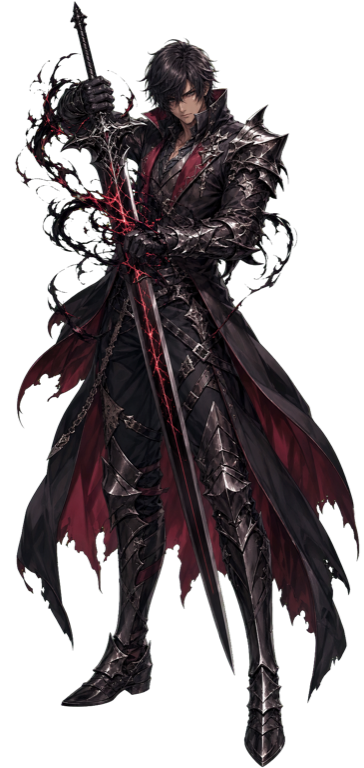
Weaponmaster

The blade

Weaponmaster · one clean cut

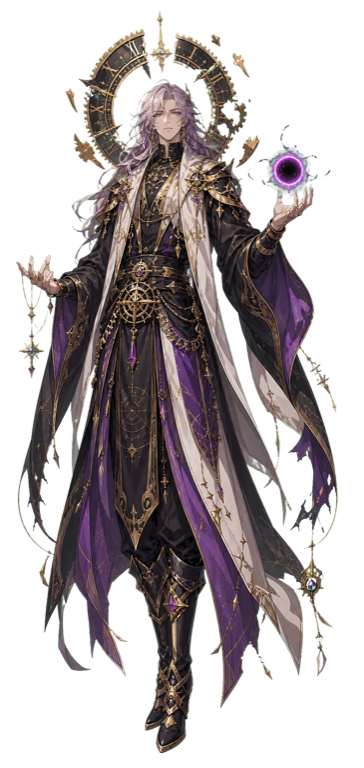
Sage

The scholar

Loremaster · the answer in time

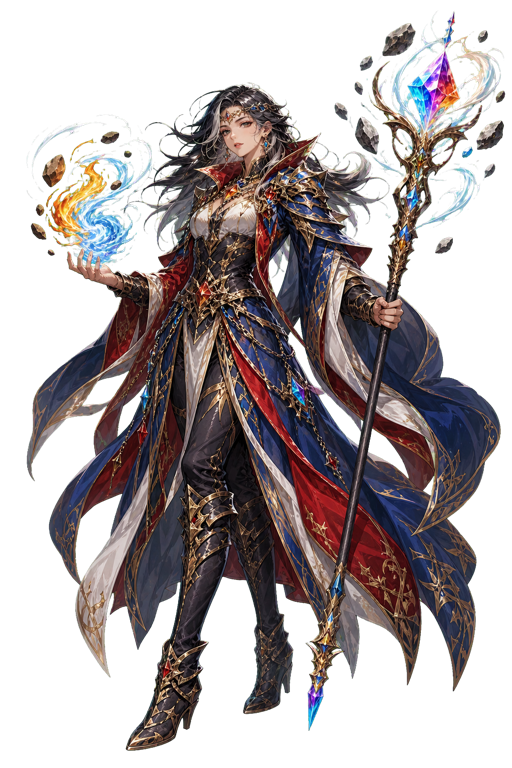
Red Sorcerer

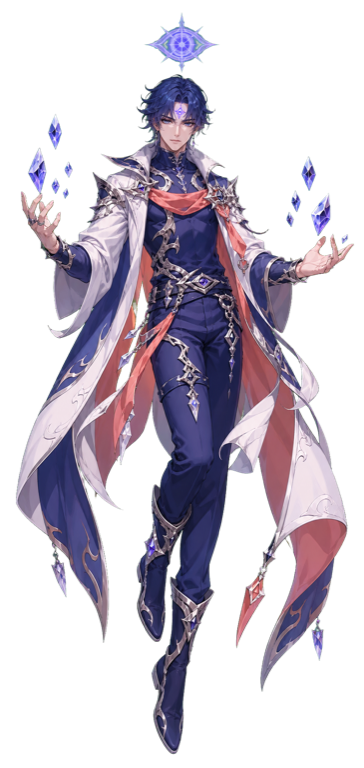
The spark

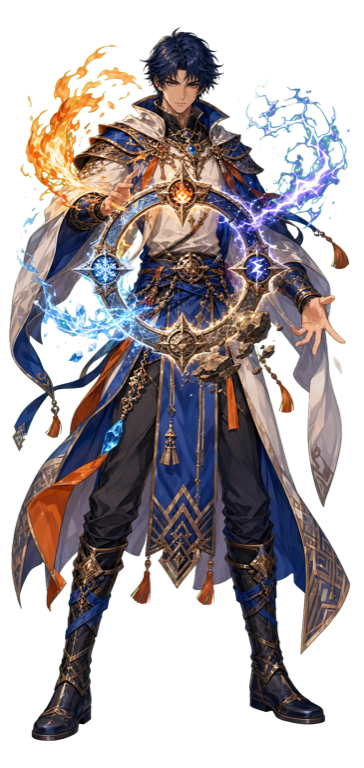
Elementalist · fire when it matters

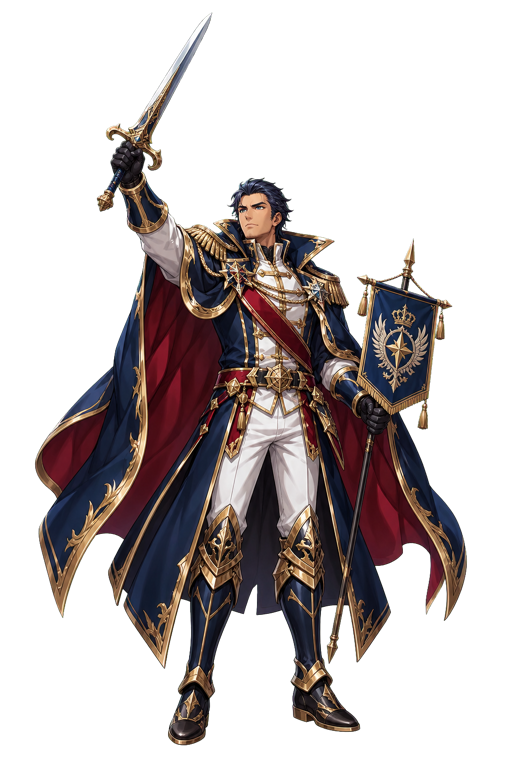
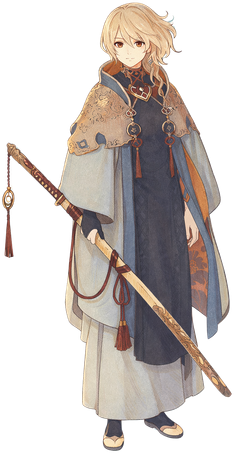
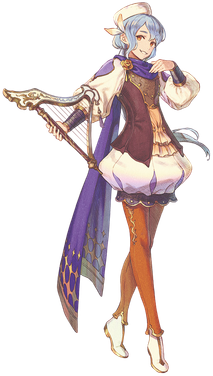
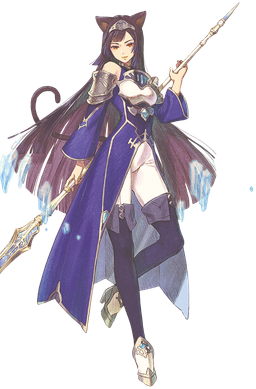
These portraits live in the companion as sample heroes. Steal the mix, not the names.

When it is your turn

One action. Make it count.

Move for free if the GM agrees it is reasonable. Then take one action. Talk is free. Guard only once per turn.

Attack

Accuracy vs Defense. Damage is HR plus the weapon.
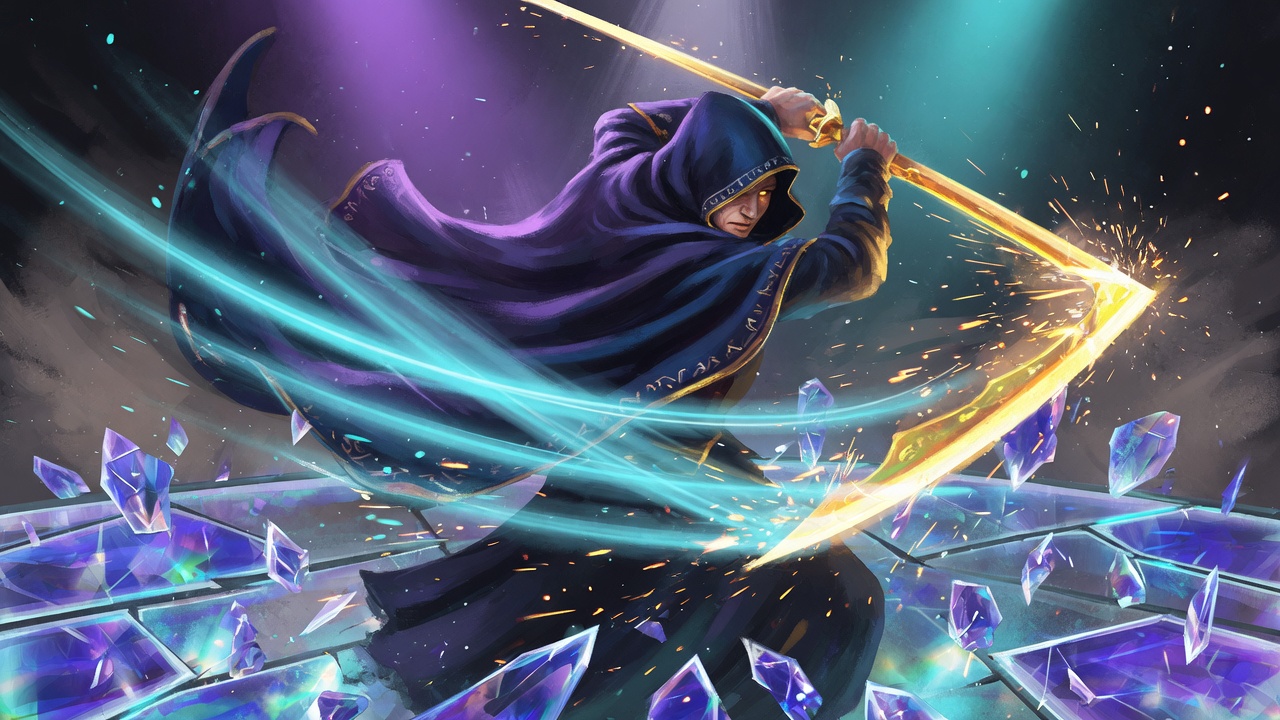
A cloaked hero striking with a gold blade

Guard

Resist all damage, +2 opposed, and you may cover an ally.
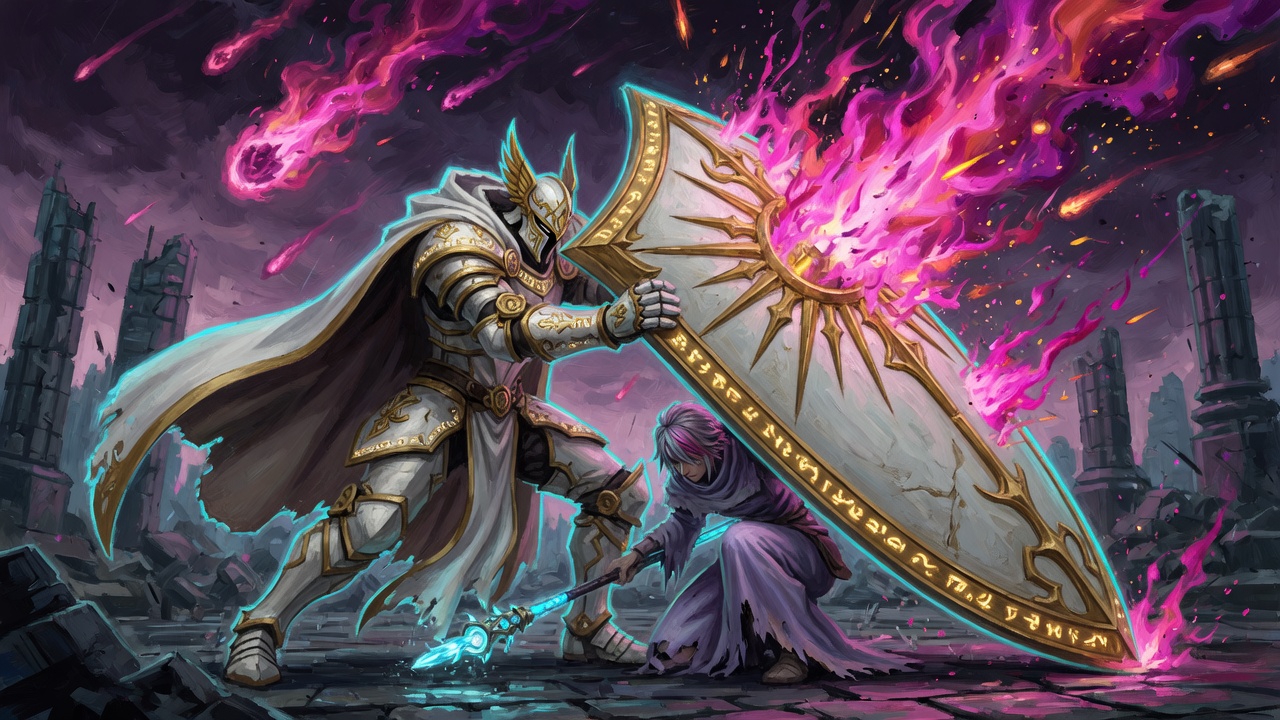
A guardian covering an ally with a tower shield

Spell

Pay MP. Offensive spells vs Magic Defense. Support just happens.
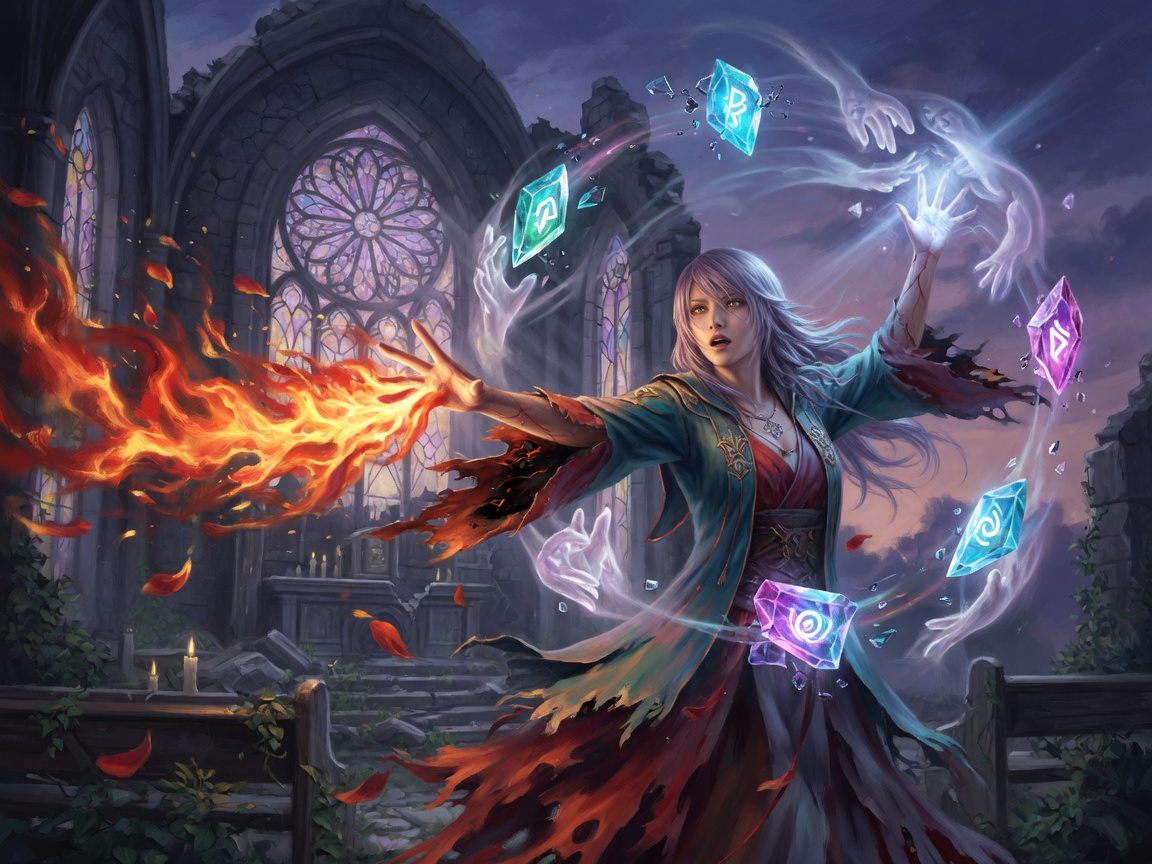
An elementalist casting fire and spirit-light

Skill

A class trick that asks for the Skill action. Follow the card.

Class skills

Inventory

Spend IP to produce a potion, bomb, or tool from the pack.
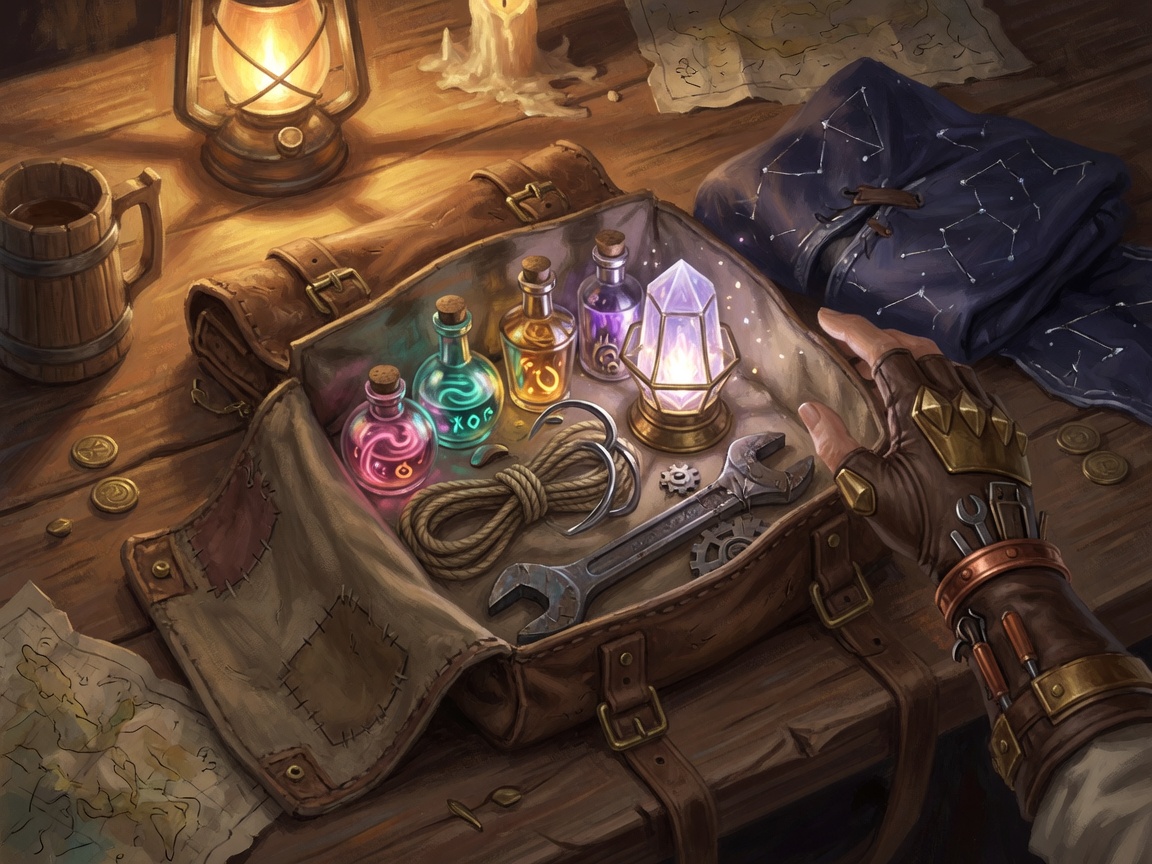
A travel pack of potions and tools

Objective

The lever, the hostage, the clock. Not every win is a corpse.
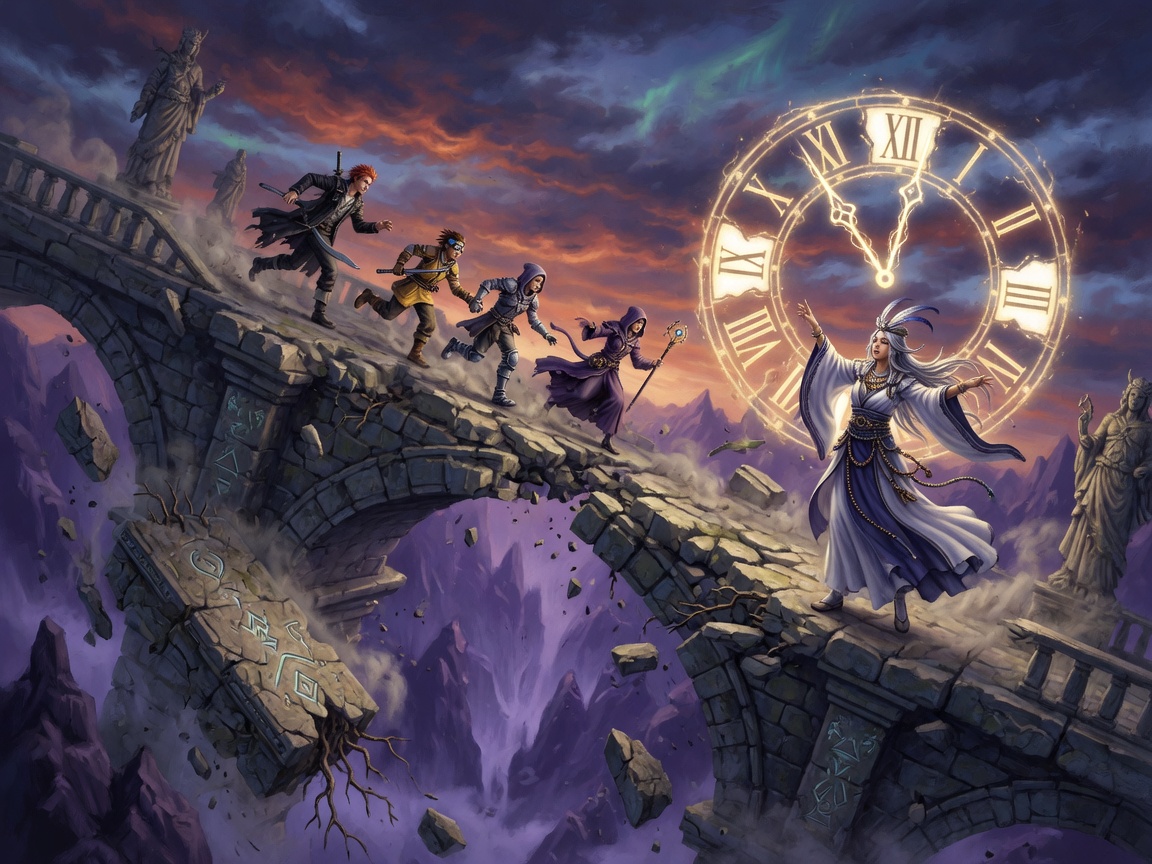
A party racing a collapsing clock

Hinder

DL 10. On a hit, inflict dazed, shaken, slow, or weak.
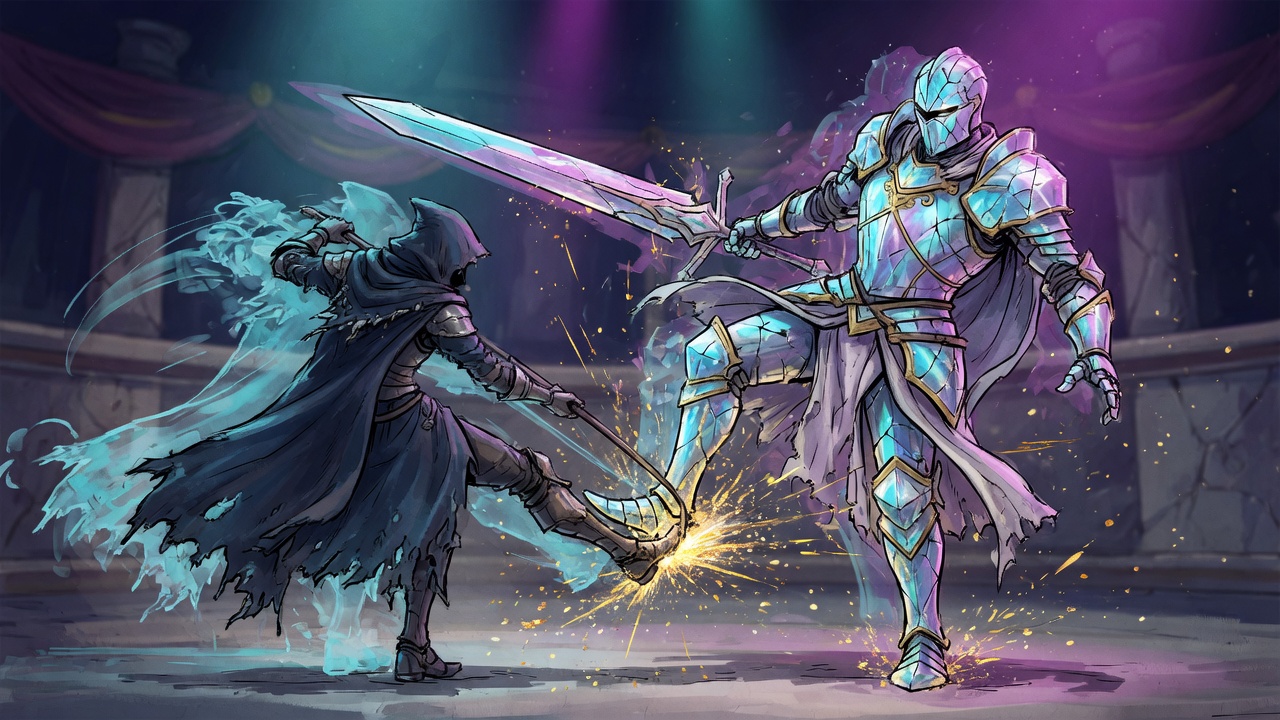
A rogue sweeping a knight off balance

Study

Read a creature or the room. Affinities, HP, what they will do next.
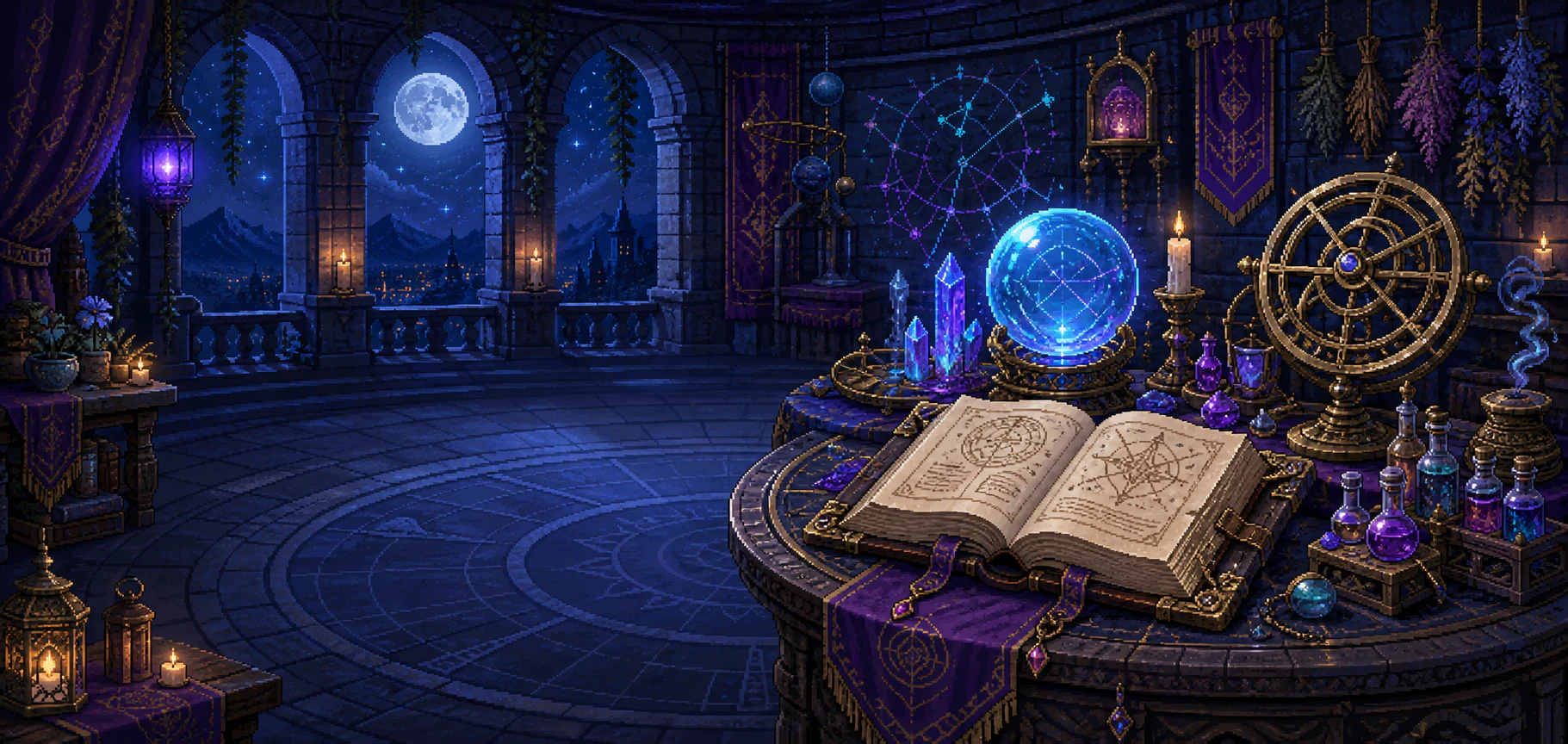
An arcane study
When steel comes out

Conflict and clocks

Slow and fast

Initiative is a choice, not a roll-off. Act slow and take a breath, or go fast and spend the moment.
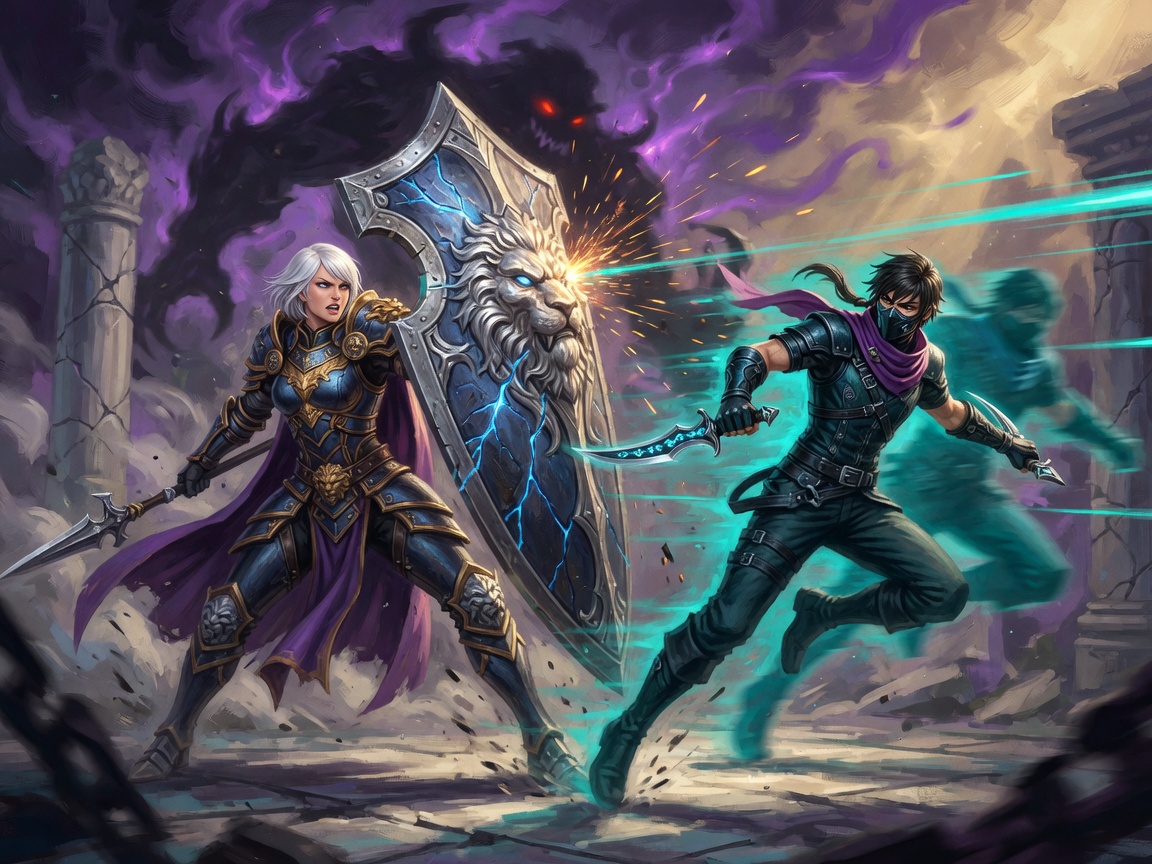
A guardian bracing while a rogue dashes past

Crisis

You are in Crisis at half HP or less. Many skills only wake up then. Looking beaten is when JRPG heroes get interesting.
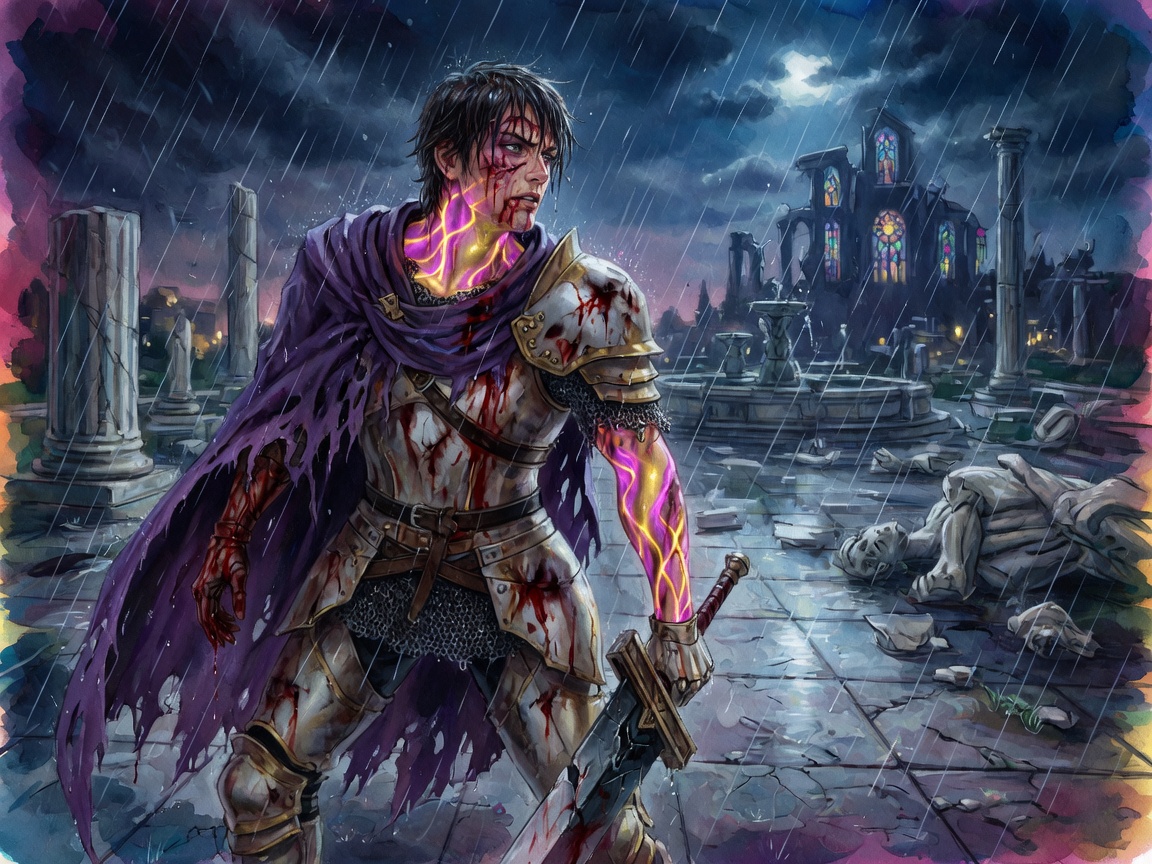
A battered hero still standing in the rain

Clocks

4 sections for a small effect, 6–8 for a major one, 10–12 to end a conflict. Beat the DL by 3 and fill an extra section.

A party fleeing a collapsing bridge under a ritual clock

At 0 HP you leave the scene — or Surrender for 2 Fabula Points and stay in the chronicle. Sacrifice spends the character, on purpose.

How the world answers

Magic, rituals, inventory

Spells

Pay MP. Offensive spells roll INS + WLP vs Magic Defense; damage often starts from HR. Support spells just happen.

An elementalist casting fire and spirit-light

Rituals

Minor 4 / 20 MP / DL 7. Medium 6 / 30 / 10. Major 6 / 40 / 13. Extreme 8 / 50 / 16. Area then multiplies the MP.
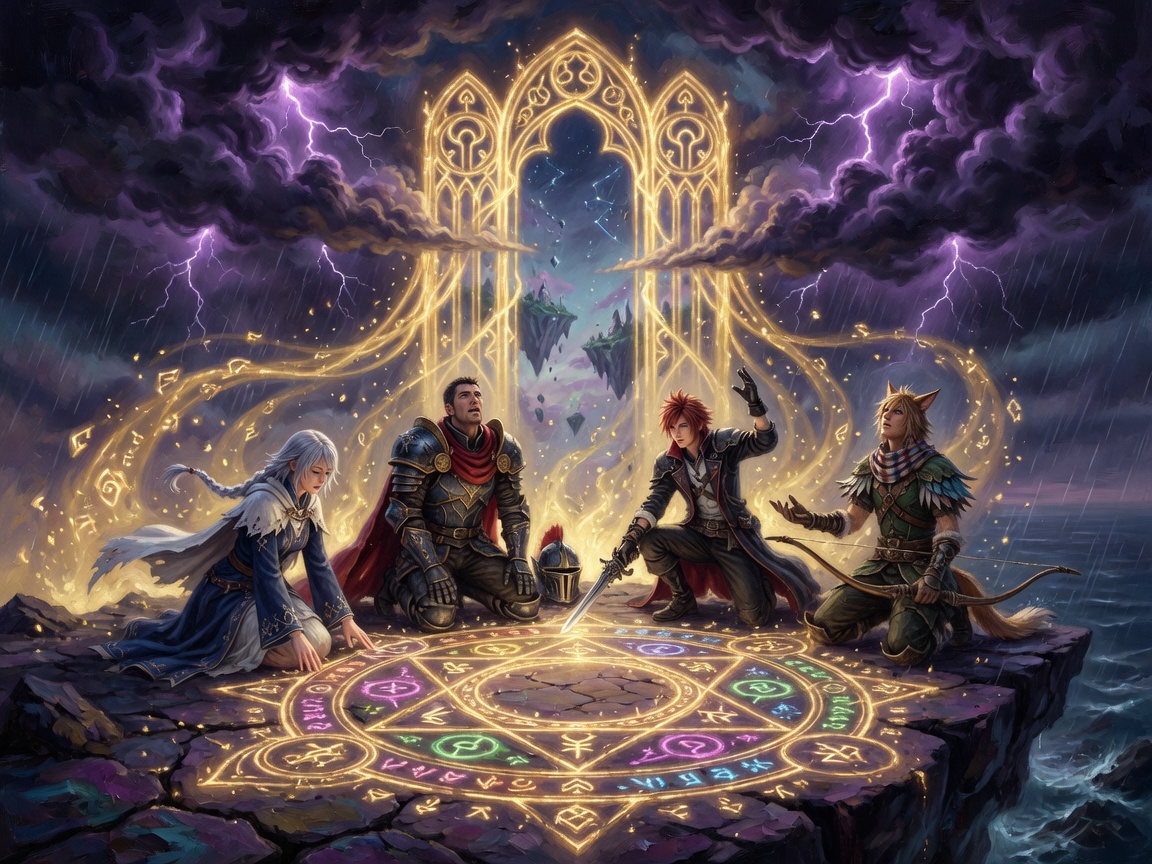
A party kneeling around a ritual circle opening a gate

Inventory Points

Your pack is usually 6 IP plus class bonuses. Spend them to produce a potion, a bomb, a rope. A rest fills the pack.

A travel pack of potions, rope, and tools on an inn table
IgnisLuxHealVortexGambleUmbra

Rituals cannot deal direct damage, copy a spell, or mint Fabula Points. If you need those, that is a spell, a skill, or a story beat.

What the dice can do to you

The six statuses

Each one shrinks an attribute die one step. Never below d6. Enraged and Poisoned hit two attributes at once.

Slow

DEX down one size.

Dazed

INS down one size.

Weak

MIG down one size.

Shaken

WLP down one size.

Enraged

DEX and INS down.

Poisoned

MIG and WLP down.

DEX feeds Defense. INS feeds Magic Defense. MIG feeds Hit Points. WLP feeds Magic Points. A smaller die makes you easier to hit and worse at that check.

Between the fights

Rest and the road

A safe rest

Fill HP, MP, and IP. Clear every status. Often costs a tent, a room, or a story beat that says you are safe.
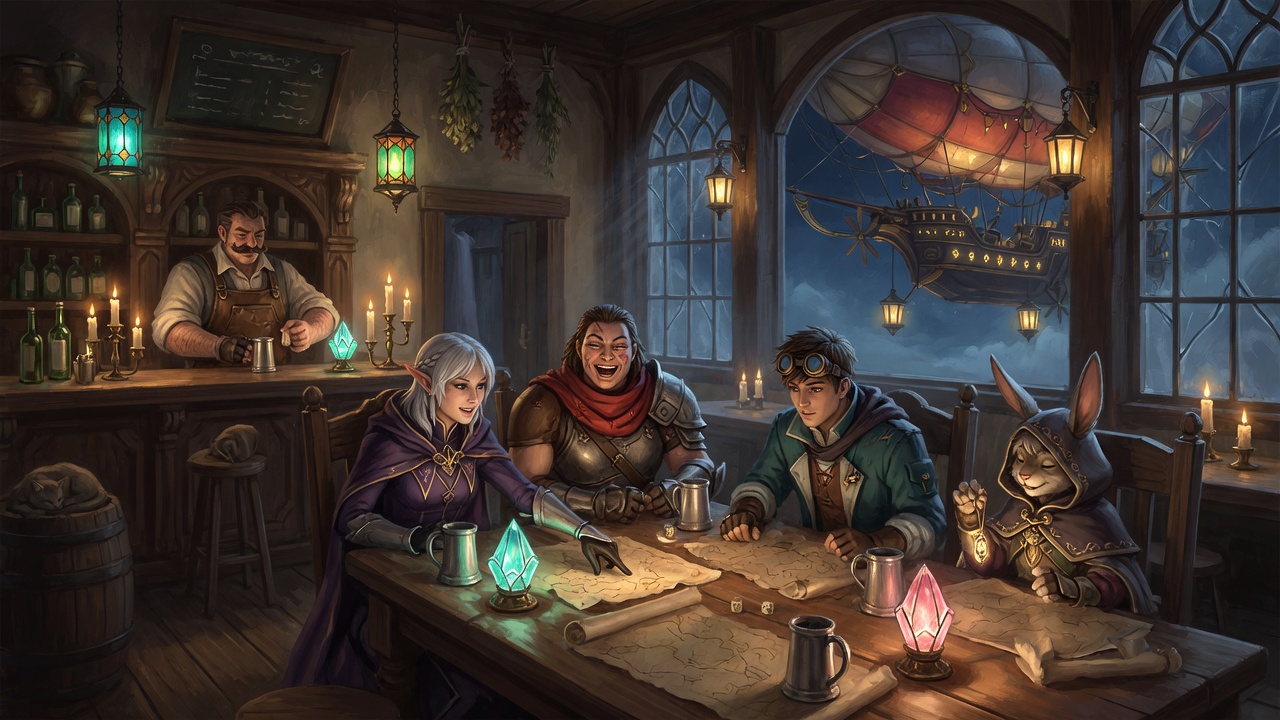
A lantern-lit inn

Travel

The road is a scene. A travel die can throw weather, a fight, or a wondrous Discovery at you.
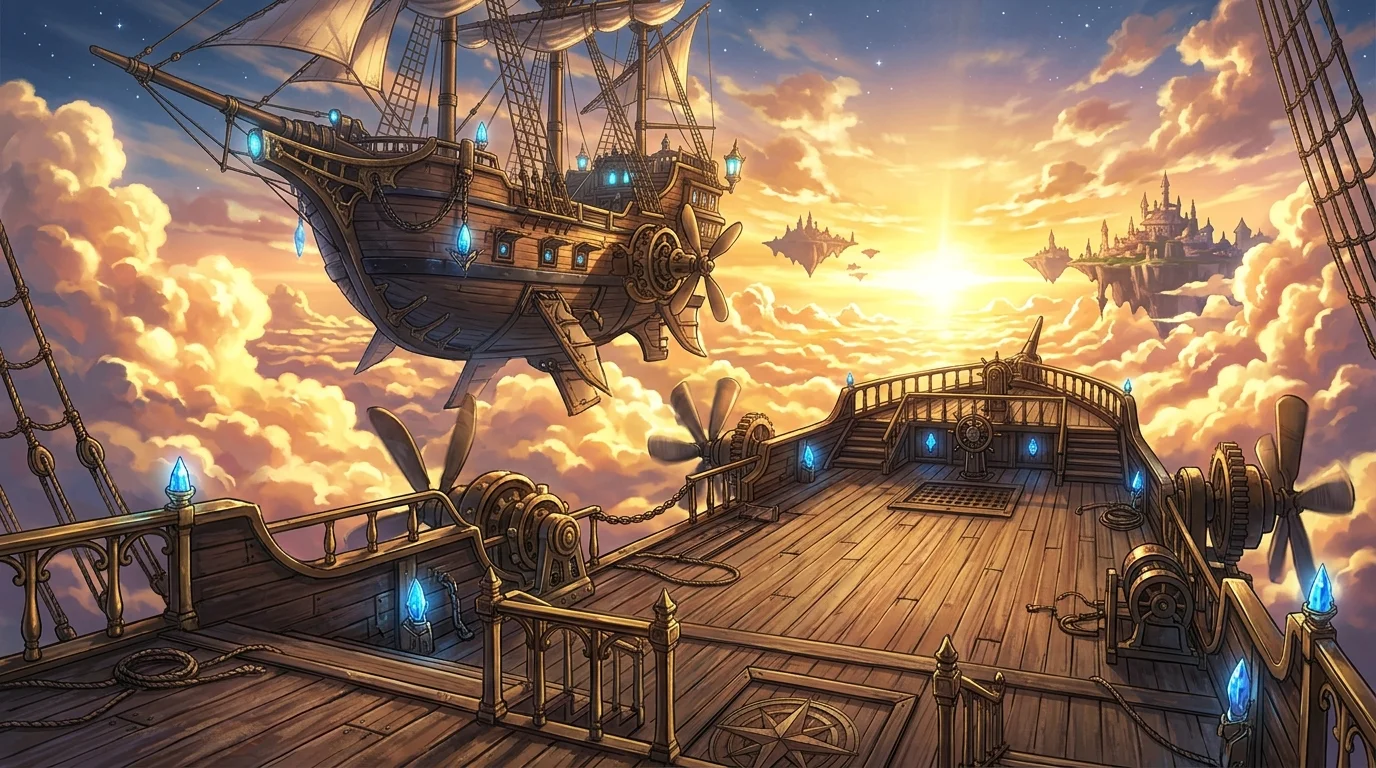
An airship over the world

Downtime

Projects, clocks, and zenit. Build the airship, brew the tonic, or advance the thing you promised the village.
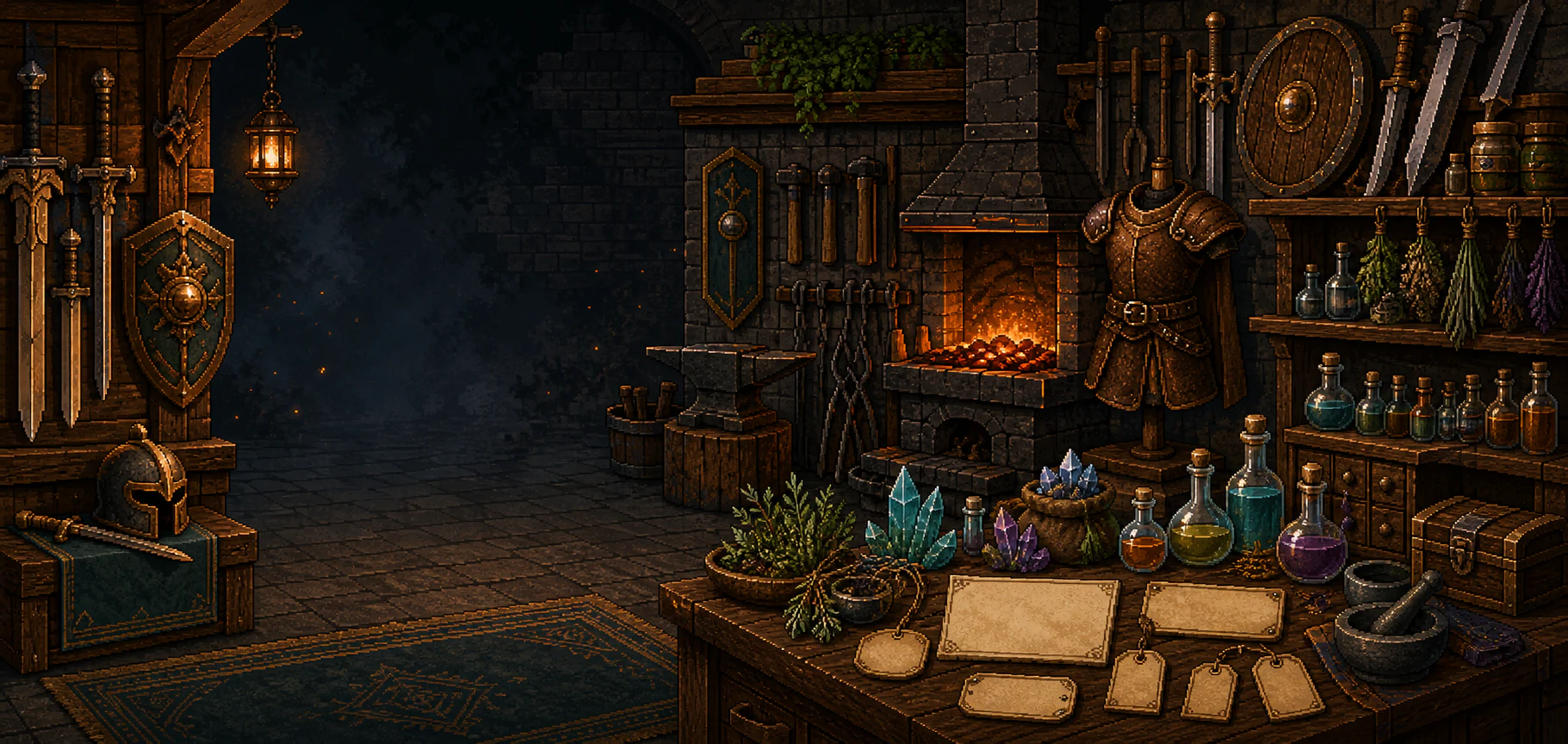
A workshop of projects and tools

A Tonic costs 2 IP and clears one status mid-scene. The rest is how the chronicle breathes.

The long arc

Growing stronger

5

You start here

Level 5, split across two or three classes. 3 Fabula Points. 500 zenit for gear. Everyday people, not demigods.
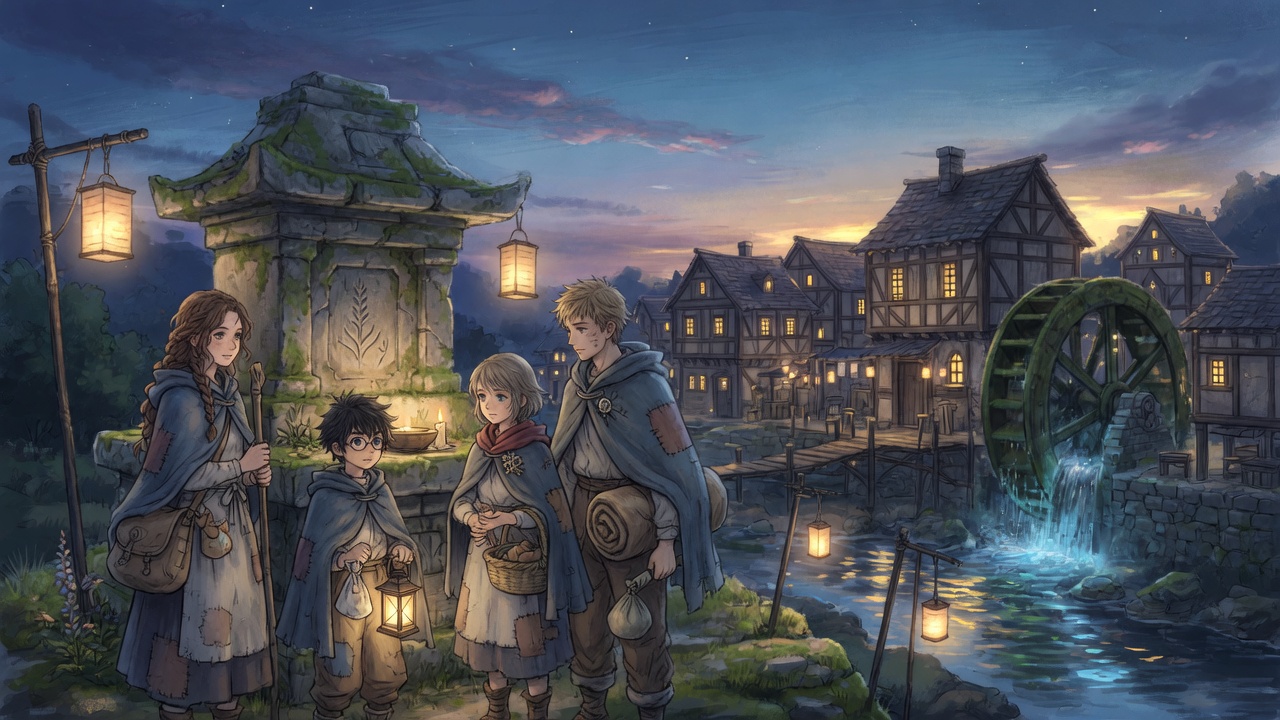
Humble mill-town youths leaving home
+1

Every level

Add one level to a class you have, or open a new one. Raise a skill. HP and MP grow with you.
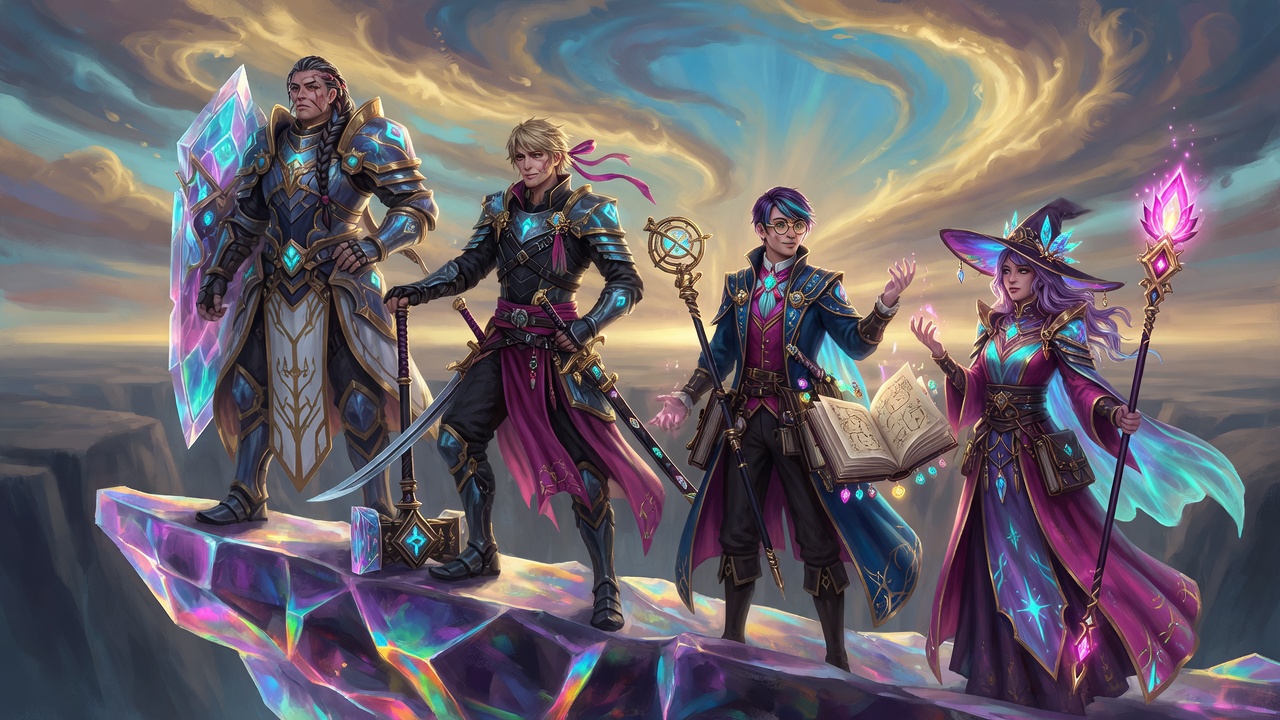
A mixed party grown stronger on a crystal overlook
10

Heroic Skills

From level 10, the sheet grows a signature: extra HP, a second spell list, a hope that looks like a phoenix.
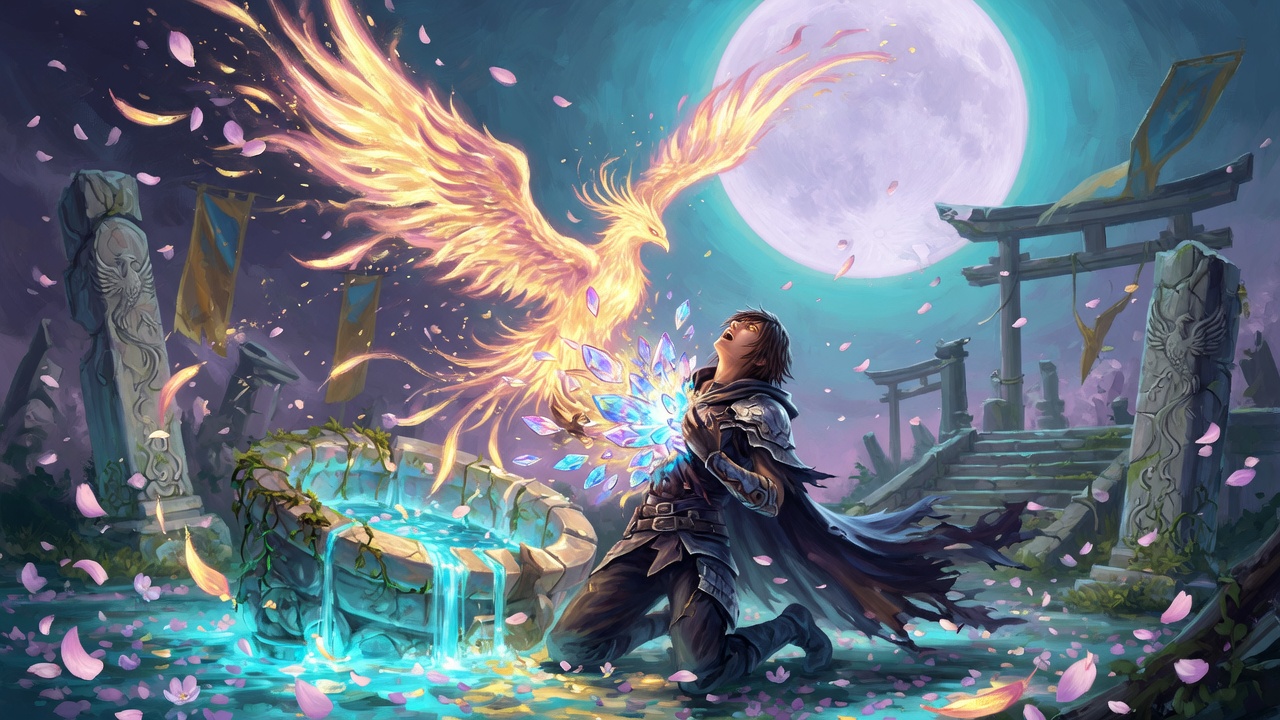
A hero awakening as a phoenix of light

The chronicle runs toward 50. You will not be the person who left the mill-town.

A quick glossary

Words you will hear

The pact

  • Eight Pillars — the world’s promises
  • Press Start — world and group creation
  • Atlas — an expansion of palettes and classes

People

  • Identity — who you are in one line
  • Theme — the story you keep living
  • Origin — where on the map you began

The heart

  • Bond — an emotional tie you can invoke
  • Fabula Point — courage you spend on the story
  • Ultima Point — the villain’s version

The body

  • HP / MP / IP — MIG×5+level, WLP×5+level, pack of 6
  • Crisis — below half HP, the second wind
  • Sacrifice — dying on purpose, dramatically

The dice

  • DEX INS MIG WLP — the four attributes
  • HR — High Roll, often your damage
  • Fumble — double 1s; earn a Fabula Point

Play

  • Clock — a progress track for a threat or hope
  • Opportunity — doubles of 6+; Advantage, Scan, Progress…
  • Surrender — leave a fight and live with it

Nobody expects you to memorise these. Ask at the table — that is what session zero is for.

How play works

At the table

The Game Master

Presents the world you all made, plays everyone you meet, and referees the rules. They are not your opponent.

The players

Each of you plays one hero. Describe what they do and why. Spend Fabula Points when the scene should remember you.

A typical beat

“The airship won’t lift. The crystal is cracked, and the villain is already on the dock.”

Tinkerer: I spend a Fabula Point — my Origin is the foundry. I know this model.

GM: Roll Insight + Dexterity to jury-rig a launch.

Tinkerer: *rolls* High roll 10. We leave a burning pier behind.

The GM frames a scene. You answer in character. When the outcome is in doubt, the dice decide.

The dice

How a roll feels

Attribute + Attribute  vs  Difficulty
1

Two dice, add them

Roll two attributes, add them. DEX + INS to sneak. MIG + MIG to shove. Sizes run d6 → d8 → d10 → d12 and never leave that ladder.

2

Beat the number

DL 7 is easy, 10 is the default, 13 is hard, 16 is rare without help. Doubles of 6+ crit and grant an Opportunity. Double 1s fumble — and grant 1 FP.

3

High Roll

The higher die is HR — weapon damage and many spells start there. If both dice match, that number is the HR.

A crit Opportunity can be Advantage (+4 next check), Affliction, Bonding, Scan, Progress, Plot Twist, Unmask. Pick one. Make it theatrical.

Who you play

Your first hero

A person

Identity, Theme, Origin. One sentence is enough: “a mill-town medium who has never seen the capital.” Those three are traits you can invoke.

A young hero before a crystal city

A mix of classes

Start at level 5, split across two or three classes. Attribute dice are d6–d10 and must total 32. You begin with 3 Fabula Points and 500 zenit.

A guardian, a spiritist, and a tinkerer standing as one party

A Bond already

Tie yourself to another hero, a hometown, or the villain. The sheet is a reminder. The table is where it becomes visible.

Two heroes sharing a Bond

You start as a nobody with everything to prove. That is the point.

This companion

Press start here

The primer is the tour. The rest of the app is the table.

Build a hero

Multiclass, bonds, gear, and every derived number kept in sync.

Keep the rules close

The cheat sheet is the formulas you reach for mid-session.

Browse the archive

Classes, spells, skills, and adversaries without losing your place.

The story waits

Game on.

You know the pillars. You know the Bond.
Now make a world, make a party — and press start.

Drawn from Fabula Ultima (Need Games). Setting and rules © Emanuele Galletto / Need Games. For personal table use.

Fabula Ultima · primer arrows · F · O · ?1 / 20

Presenting

  • Space Page Down next · Page Up back
  • Home first · End last · click a slide to advance
  • F fullscreen · O jump list · ? this help · Esc close
  • Works on a TV or laptop. Arrow keys, swipe, or click the slide to advance.

Jump